How to Implement Security Solutions
for a Business
Published: September 17, 2026
Whether you run a small startup or a large company, protecting your assets, employees, and customers should be a top priority. With growing physical and digital threats, a strong security strategy is essential. So, how can you create one?
Building a security plan may seem overwhelming, but it starts with identifying possible weaknesses and fixing them with the right solutions. From surveillance systems to access controls, many tools and strategies can help protect your business and create a safe environment. Let's look at how to implement security solutions effectively.
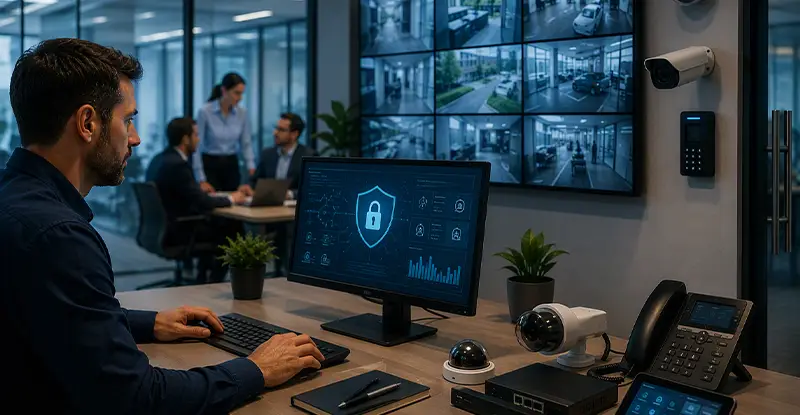
CCTV cameras are now a key part of modern security. These systems not only prevent crime but also provide insights into daily activities. Today's cameras often include features like high-definition video, night vision, and motion-detection alerts.
You can monitor these systems remotely using your smartphone or computer, giving you peace of mind when you're not on-site. When installing surveillance systems, place them strategically to cover critical areas. Monitor entrances, parking lots, and other vulnerable spots. This step can improve accountability and help resolve incidents more easily.

Sensitive business information can be exposed when documents are manually downloaded, emailed, rekeyed, and passed between employees. docAlpha uses AI-powered intelligent document processing to capture, validate, and route data through controlled automated workflows.
Reduce unnecessary manual handling while improving the security, consistency, and efficiency of business processes.
Another vital part of a good security strategy is access control. This means limiting entry to sensitive areas of your business to authorized people only. While traditional lock-and-key systems are still common, electronic access control can streamline operations.
Keycards or biometric scanners ensure only the right individuals can enter certain parts of your business. Many systems also let you track who enters and exits at different times. This information helps you understand foot traffic and adjust security measures as needed. Installing and maintaining these systems is simple, making them a practical way to improve security.
Physical safety is a major concern, and weapons detection systems can greatly enhance a business's security. These systems use advanced technology to detect firearms and knives on the premises and send immediate alerts when a threat is detected.
These systems can help employees and customers feel safer. Their presence can also discourage potential threats. These systems work well with current security measures, improving overall awareness without interrupting daily activities. They provide real-time alerts and analysis, allowing businesses to respond quickly to threats and keep the environment safer for everyone.
Recommended reading: Learn How to Strengthen Data Security With Intelligent Document Processing
Despite our best efforts, emergencies can happen, so preparing for them is crucial. Creating an emergency plan involves knowing how to respond to different situations, like fires, natural disasters, or security breaches. Regular training and drills help ensure that everyone knows their roles during a crisis.
Clear communication during emergencies is vital. Consider using intercom systems or emergency alert apps to keep everyone informed and safe. Building a culture of preparedness helps employees and clients feel confident, knowing a plan is in place.
As businesses use more technology, cybersecurity has become very important. Anyone can face cyberattacks, so it's smart to have strong cybersecurity measures in place. Start by setting strong password rules and using two-factor authentication. Teaching employees about cyber hygiene can greatly reduce risk.
Invest in firewalls, antivirus software, and keep your systems updated regularly to protect against outside threats. Conduct regular security audits to find any weaknesses in your cybersecurity. This way, you can fix issues before they become problems. By focusing on cybersecurity, you can create a safer online space for your business and its data.

Protecting systems is only part of business security when sensitive information continues to move through documents and manual workflows. docAlpha combines AI-powered document capture with process automation to turn incoming content into structured, validated business data.
Reduce manual touchpoints and create more controlled information flows across your organization.
Security is an ongoing effort that needs regular checks. Frequent security audits help you identify areas for improvement. This applies to both physical security and digital safety.
During an audit, review both external and internal security protocols. Look for gaps in protection and fix them quickly. Bringing in outside experts can offer a fresh perspective and help uncover hidden issues. Regular audits keep you aware of new risks and help keep your business protected over time.
A strong security strategy needs a clear incident response plan. This plan should explain what to do during a security breach, cyber incident, or emergency. It’s important to have a response team in place, assign specific roles, and set up a clear way to communicate so everyone can respond quickly and effectively.
Reviewing and updating this plan regularly keeps it relevant to your business and current threats. Doing practice drills helps your team prepare by simulating real-life situations. Having a good incident response plan reduces damage and speeds up recovery, which protects your business’s reputation and assets.
Recommended reading: Learn How Intelligent Automation Helps Protect Sensitive Business Data
Along with technology, strong physical security is essential. This includes secure entry points, good lighting, and barriers to stop unauthorized access. Hiring security personnel can also strengthen your overall security, especially in risky areas or during events.
Clear sightlines on your property are important for visibility and discouraging crime. Secure storage for sensitive items and a visitor check-in system can improve safety. These measures help create a secure environment by reducing vulnerabilities and making employees and customers feel safe.
Your employees play a key role in keeping your business safe. Include ongoing training in your security plan to help staff recognize and respond to threats. This training should also cover how to handle sensitive data and emergency procedures.
Creating a team environment around security can boost employee morale, making them feel valued and invested in the company's safety. Encourage employees to share their security concerns, which can lead to new ideas and improvements.
Security might seem complex, but breaking it down into simple parts makes it easier to manage. Implementing these solutions not only strengthens protection but also builds a safer workplace and increases trust among employees and clients. The key takeaway is the importance of a proactive approach to security.
Security policies are stronger when business processes reduce unnecessary movement and duplication of sensitive information. docAlpha uses AI to extract and validate document data and move it into automated downstream workflows.
Combine process efficiency with better control over how critical business information is handled.
 Physical Security Strategies for Safer Business Operations
 Cybersecurity for AI-Powered Document Automation Workflows
 6 Ways to Improve Your Business’s Security Posture This 2025
 Cybersecurity Types Explained: Protect Your Data Today
 Why Data Security Is Critical for Your Business Today
 A Guide to Improving Cybersecurity Postures with Document Processing Workflows
