AI Facilities Management:
Automating the Future of Building Operations
Published: February 25, 2026
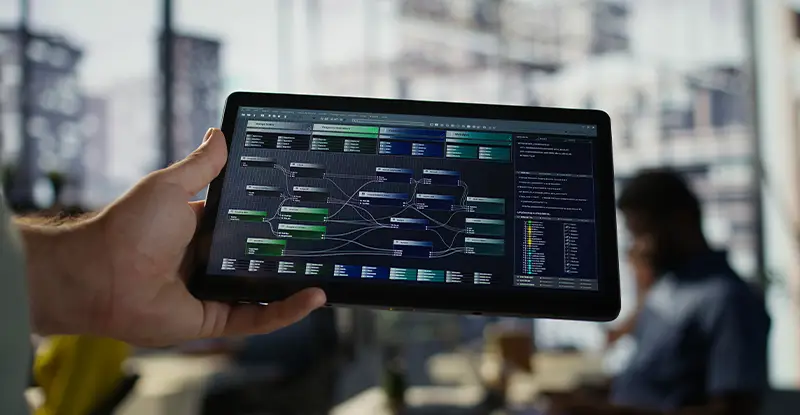
The facilities management industry is evolving rapidly as organisations seek smarter ways to automate building operations, reduce maintenance costs and improve performance across the built environment. AI facilities management is at the centre of this transformation, combining artificial intelligence, automation and real time data to streamline complex facilities management workflows. Solutions such as velappity's facilities management app software demonstrate how modern platforms centralise facilities management processes, automate routine tasks and support data driven decision making for facilities managers overseeing multiple sites and critical systems.
Automation is no longer a future ambition. It is becoming the operational backbone of modern facilities management.
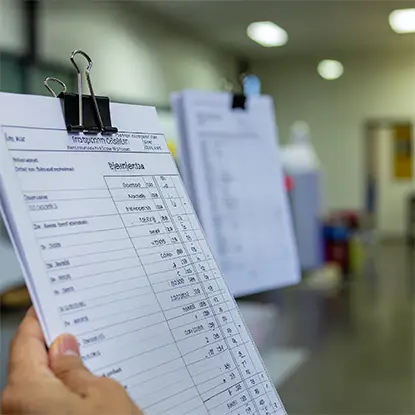
When inspection logs, service reports, compliance forms, and contractor documents are scattered across sites, docAlpha uses AI-based intelligent process automation to capture, classify, and route them in one governed workflow. Reduce delays, improve visibility, and keep building operations moving with confidence.
Traditional facilities management relied heavily on manual reporting, siloed management systems and reactive approaches to maintenance. Facilities managers often spent significant time updating spreadsheets, coordinating contractors and responding to unexpected equipment failures. These fragmented processes created data silos, slowed decision making processes and increased operational challenges.
Today, ai in facilities management replaces reactive oversight with continuous monitoring and intelligent automation. By integrating ai systems with building management systems, access control platforms, HVAC systems and other building systems, organisations can analyse vast amounts of operational data automatically. Instead of chasing issues after they arise, facilities managers can predict equipment failures, schedule maintenance and optimise performance in advance.
This shift is transforming facilities management from a reactive function into a strategic discipline built on data driven decision making.
Recommended reading: AI Automation: What It Is and How It Works
One of the most immediate benefits of ai facilities management is the ability to automate routine tasks that consume time and resources. Facilities managers traditionally managed maintenance schedules manually, reviewed inspection logs and coordinated repairs through email chains and spreadsheets.
AI powered systems now automate these processes by:
By automating repetitive workflows, facilities management teams gain enhanced operational efficiency while reducing the risk of human error. Automation also ensures that critical systems receive attention at the right time, reducing emergency callouts and costly disruptions.
Control Facilities Spend With Intelligent AP Automation
When maintenance vendors, utilities, and contractors send invoices in mixed formats, InvoiceAction uses AI-based automation to capture, validate, and route invoices with policy-based controls. Reduce processing delays and improve budget visibility across building operations.
Book a demo now
Predictive maintenance is one of the most valuable applications of facilities management artificial intelligence. Instead of relying on fixed intervals or reactive repairs, machine learning models analyse historical data and real time performance metrics to detect early warning signs of equipment failures.
AI analytics examine energy consumption patterns, vibration levels, temperature shifts and other performance indicators to predict potential failures before breakdowns occur. This predictive capability allows facilities managers to schedule maintenance at optimal times, reducing downtime and protecting asset performance.
For large estates or multi-site operations, this automation delivers substantial cost savings. Reduced emergency repairs, longer equipment lifespan and improved reliability all contribute to lower maintenance costs and better financial planning.
Asset management also becomes more precise. Facilities managers gain valuable insights into usage patterns, equipment health and long-term capital planning needs. Instead of guessing replacement timelines, teams can rely on data driven decisions supported by predictive analytics.
Recommended reading: How AI Algorithms Power Intelligent Automation Systems
Energy management remains one of the biggest cost drivers within facilities management. Rising energy prices, emissions reduction targets and sustainability initiatives are increasing pressure on facilities managers to optimise energy consumption without compromising comfort or safety.
AI in facilities management enhances energy efficiency by analysing energy consumption data continuously. Machine learning algorithms analyse energy consumption patterns across HVAC systems, cooling systems and lighting infrastructure. AI systems then optimise energy consumption automatically, adjusting output based on occupancy data, weather conditions and usage patterns.
This automated energy optimisation supports:
By leveraging AI, facilities managers can enhance energy efficiency across the built environment while maintaining high standards of comfort and compliance. Continuous monitoring ensures that energy consumption remains aligned with performance goals, supporting both environmental and financial objectives.

When facilities teams rely on spreadsheets, emails, and shared folders to manage maintenance and compliance records, docAlpha automates document processing and workflow routing with traceable controls. Increase operational efficiency and reduce rework across multi-site environments.
A persistent issue within the facilities management industry is the presence of data silos. Building management systems, asset management platforms and compliance tools often operate independently, limiting visibility and slowing decision making.
AI solutions unify these disconnected systems. By integrating with existing systems and other systems across the estate, AI powered platforms centralise data into a single interface. Facilities managers can analyse vast amounts of information from building operations in real time, improving transparency and coordination.
This centralisation enhances operational efficiency and strengthens decision making processes. Instead of manually gathering reports from multiple tools, facilities managers receive automated dashboards and actionable insights instantly.
The ability to analyse vast amounts of performance data from across multiple sites provides a clear competitive edge in the facilities management industry.
Recommended reading: How AI Algorithms Transforming Intelligent Process Automation
Facilities management services extend beyond operational efficiency to include safety and regulatory compliance. Fire protection systems, air quality monitoring, emergency lighting and access control must all be inspected and maintained regularly.
AI powered systems can automate inspection reminders, log compliance documentation and track asset performance across safety infrastructure. For example, automated workflows can ensure maintenance schedules align with regulatory requirements and alert facilities managers if compliance deadlines approach.
When physical safety upgrades are required, working with an experienced fire door installer such as Adaston ensures that fire door installations meet strict safety standards. Combining professional installation with automated tracking systems allows facilities managers to maintain visibility over inspection cycles, asset condition and compliance status without relying solely on manual oversight.
This integration of automation with physical safety measures strengthens resilience across building operations.
Accelerate Facilities Service And Parts Ordering
When repair requests, supplier confirmations, and purchase documents require manual entry, OrderAction uses AI-based intelligent automation to convert them into ERP-ready transactions. Reduce delays and keep critical building operations running on schedule.
Book a demo now
AI capabilities are expanding rapidly. Modern ai powered systems do more than automate maintenance or energy management. They support:
Generative AI is beginning to influence facilities management artificial intelligence by helping interpret reports, summarise performance trends and assist with planning decisions. Combined with machine learning and advanced analytics, these tools allow facilities managers to analyse vast amounts of data quickly and make informed adjustments.
AI analytics provide deeper insight into building operations, supporting better long-term planning and enhanced operational efficiency across FM teams. These insights can also help facilities teams recognize when monitoring alone is not enough. When persistent dust, fumes, or airborne particles affect indoor conditions, industrial air cleaning solutions can support cleaner workspaces and help teams address air quality issues more proactively.
Recommended reading: How AI Software Works: Types, Tools, and Real Examples
Importantly, ai in facilities management does not replace facilities managers. Instead, it empowers them. By automating routine tasks and reducing manual intervention, AI systems free facilities managers to focus on strategic priorities.
Decision making becomes faster and more accurate because it is supported by real time data and predictive capability. Facilities managers can evaluate performance trends, adjust energy management strategies and address operational challenges proactively.
This data driven decision making strengthens confidence across decision making processes and improves collaboration within facilities management teams.

When safety checks, inspection evidence, and maintenance records are hard to track, docAlpha standardizes document intake, approvals, and retention workflows using intelligent automation. Strengthen compliance readiness while reducing administrative workload.
Transforming facilities management requires more than new technology. It requires a shift in mindset toward automation, predictive analytics and integrated management systems.
AI facilities management is enabling facilities managers to optimise energy consumption, reduce maintenance costs and protect critical systems more effectively than ever before. By analysing energy consumption patterns, predicting equipment failures and automating maintenance schedules, AI powered systems are reshaping the facilities management industry.
Organisations that embrace automation today will benefit from enhanced operational efficiency, measurable cost savings and improved resilience across building operations. As AI capabilities continue to evolve, facilities management will become increasingly proactive, intelligent and data driven.
The future of facilities management is automated, predictive and powered by artificial intelligence - and those leveraging AI today are already gaining the competitive edge.
 How Smarter Daily Support Is Transforming Field Service Work
 Smart Lockers: AI, Workflow Integration, and Compliance
 Business Process Automation: Examples, Tips, Technologies
 AI Tools That Enhance Scheduling and Tech Workflows
 AI Technology: Artificial Intelligence Technology Explained
 Automation Strategies for Modern Business Growth
