Why Regional Tech Companies Are Investing in PCB Design and Hardware Engineering
Published: February 25, 2026
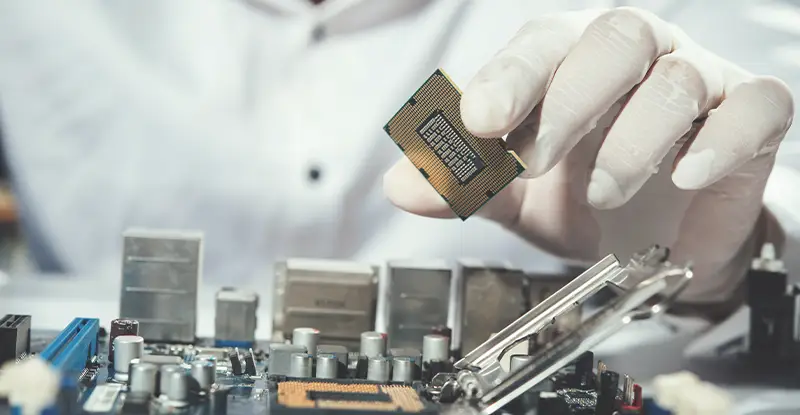
Hardware engineering focuses on designing and developing physical components of electronic devices, such as microchips, memory chips, and power supply systems. Engineers in this field ensure these components work together reliably and meet specific performance and regulatory standards.
PCB design focuses on the layout and connections of electronic components on a circuit board, while hardware engineering involves the design of all physical components, integration, and overall system functionality.
In-house design and engineering offer faster prototyping, better control over IP, improved product quality, and cost savings. Companies also gain flexibility to make quick design changes and ensure compliance with local regulations.
Popular PCB design software includes Altium Designer, Eagle, KiCad, and OrCAD. These tools help engineers create, test, and modify PCB layouts, simulating electrical flow and optimizing designs for performance, space, and cost.
When selecting PCB design software, consider the complexity of your project, ease of use, features offered, and budget. Altium Designer is suited for high-end, complex designs, while KiCad is a free option ideal for simpler projects.
As the global PCB industry is expected to grow from $85.2 billion in 2026 to $109.68 billion by 2031 (according to Mordor Intelligence), tech companies are focusing on localizing their production to enhance supply chain resilience, capture more value, and meet rising regulatory demands.
In this guide, we'll explore why regional tech companies are increasingly investing in PCB design and hardware engineering.

docAlpha transforms paper, PDFs, and emails into structured business data. Support your digital future with real-time document processing.
PCB design is the process of creating the layout for printed circuit boards (PCBs) that allow electronic components to function. It involves arranging electronic components, creating pathways for electrical signals, and ensuring that all connections are stable and efficient.
Proper PCB design is essential for the reliability and performance of electronic devices, from smartphones to industrial equipment. For a deeper understanding of PCB design and its importance, you can read the InTechHouse PCB article where they explain the difference between PCB Design and Hardware Design.
Hardware engineering is the field focused on designing, developing, and testing physical components of electronic devices. It covers everything from microchips and processors to memory storage and power systems.
Engineers in this field work with circuit boards, sensors, and other essential components to make sure that devices operate effectively and meet specific requirements.
Hardware engineers also focus on optimizing performance, durability, and cost-efficiency. This discipline often overlaps with PCB design, as both are essential for the overall functionality of electronic products.
Here are the most common physical components in hardware engineering:
Recommended reading: How Tools and Technology Are Transforming Business Workflows
Regional tech companies are investing in PCB design and hardware engineering for several reasons, such as:
Let’s go through them in more detail now.
Geopolitical tensions, logistical challenges, and tariff impositions have made global supply chains less predictable. As a result, companies are moving their manufacturing closer to end markets, particularly in regions like Europe and Central and Eastern Europe (CEE).
Nearshoring minimizes transit risks, reduces lead times, and allows for more agile responses to demand shifts. Its main advantages are:
Standardize AP Automation Across Locations And Entities
InvoiceAction supports consistent workflows while adapting rules by entity, region, or vendor needs. Gain control, visibility, and scalable processes as the
business grows.
Book a demo now
Regional tech companies gain greater control over their products by investing in PCB design and hardware engineering. Owning the entire design and manufacturing process allows them to capture more value and profit, instead of relying on overseas original design manufacturers (ODMs) or original equipment manufacturers (OEMs).
This change allows companies to retain more intellectual property (IP), which is important for innovation and staying competitive in the market.
As regulations surrounding local content and sustainability become more stringent, regional tech companies find it easier to meet these demands when they control their own design and manufacturing.
Local production allows companies to comply with environmental regulations, traceability requirements, and other standards without relying on offshore partners. Additionally, customers are increasingly expecting products to meet high sustainability standards, which drives companies to invest in more localized operations.
Recommended reading: Learn the Role of Process Automation in IT System Efficiency
Many industries, such as automotive, telecommunications, and industrial IoT, require highly specialized, high-performance circuit boards.
Through investing in in-house PCB design and hardware engineering, regional tech companies can cater to these unique needs more effectively. They can develop customized solutions that meet strict mechanical, electrical, and regulatory specifications, which is often difficult with generic designs from external vendors.
Here are the most common industries:
Moreover, keeping PCB design and hardware engineering in-house or with trusted local partners provides stronger protection for intellectual property (IP). Many industries, such as defense, medical devices, and industrial automation, deal with sensitive information that requires robust protection against theft or duplication.
Regional companies are able to maintain tighter control over their designs, preventing potential IP leaks that could occur when outsourcing to offshore manufacturers. This reduces the risk of counterfeit products or unauthorized copies of innovative designs.
As a result, you achieve:
Deliver Faster Service With Digital Workflows
AI-powered document automation in docAlpha for customer-facing and internal teams. Improve turnaround times, enhance experience, and free staff for higher-value work.
Book a demo now
Investing in PCB design and hardware engineering locally can lead to significant cost savings over time. Though initial setup costs for equipment, tools, and talent are high, these investments reduce expenses related to shipping, rework, and delays associated with outsourcing.
Co-locating design, engineering, and production teams also enhances workflow efficiency, allowing for faster problem-solving and design iteration. The result is quicker time-to-market and more efficient production processes.
Recommended reading: Discover the Tools and Tactics Behind Process Automation Success
Investing in PCB design and hardware engineering offers several advantages for regional tech companies, such as:
Automate PO Workflows with AI Precision
OrderAction captures sales and purchase orders with intelligent data recognition. Improve fulfillment cycles and eliminate costly downstream corrections.
Book a demo now
Investing in PCB design and hardware engineering allows regional tech companies to strengthen their operations, enhance product quality, and maintain better control over intellectual property. Localizing design and manufacturing helps companies stay competitive by improving flexibility, speed, and efficiency.
As the global market for PCBs continues to grow, regional players can gain a big advantage by mastering these processes.
 How CNC Pallet Automation Cuts Setup and Downtime
 Process Automation Manufacturing: Aligning Production & Pack
 Refurbished Servers Fuel AI Automation and Document Processing
 What is Manufacturing ERP Software? All You Need to Know
 Beyond the Hype: The Real Future of Cloud-Native Development
