How Process Automation Bridges Manufacturing and Packaging
Published: February 19, 2026
Manufacturing and packaging depend on precise coordination, yet many facilities treat them as separate stages. Production teams complete output while packaging teams wait for updates, verify quantities, and prepare materials. This disconnect slows movement, increases manual work, and creates opportunities for errors that disrupt throughput and delay shipments.
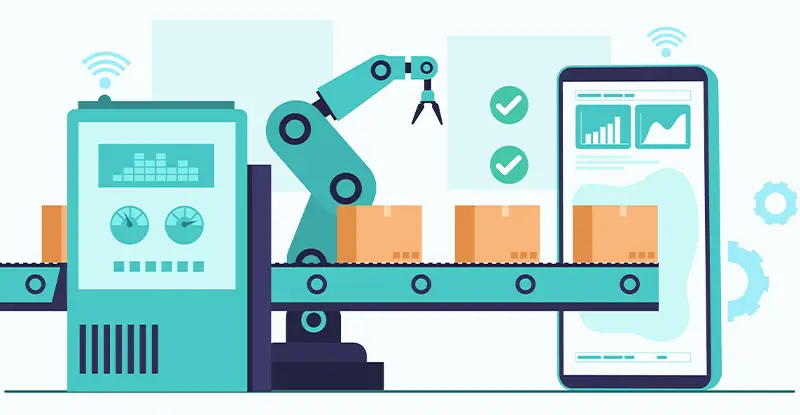
Process automation closes this gap by connecting production data directly to packaging workflows. Systems trigger actions immediately when products reach packaging readiness. Teams receive accurate information without relying on manual communication. This connection improves speed, strengthens accuracy, and ensures manufacturing and packaging operate as one continuous, synchronized process.
docAlpha applies AI classification and business rules to route the right documents to the right teams, operations, QA, warehouse, and finance - automatically. Accelerate approvals and handoffs without sacrificing control or traceability.
Manufacturing and packaging operate as dependent stages, but they often rely on delayed communication. Production completes batches based on schedules and output targets, while packaging teams must confirm availability before preparing materials and equipment. When updates move through manual reports or disconnected systems, packaging readiness falls behind actual production progress.
This delay creates operational inefficiencies. Packaging teams may wait unnecessarily or prepare for incorrect quantities. Production areas may accumulate finished goods that occupy valuable space. These breakdowns reduce throughput and make it harder to maintain a consistent flow from production to distribution.
For example, agricultural processors transferring crops into harvest bins must record exact quantities, handling status, and staging locations. Without automated data transfer, packaging teams risk working with incomplete or outdated information, which increases handling errors and disrupts coordination between production output and packaging preparation.
Recommended reading: How to Streamline Manufacturing AP With Accounts Payable Automation
Process automation connects production systems directly to packaging workflows. When manufacturing completes a batch, automation captures the output data instantly. This eliminates the need for manual updates or physical documentation to signal readiness.
Packaging teams receive accurate production information as soon as products become available. Automated notifications and workflow triggers allow teams to prepare materials, configure equipment, and schedule packaging tasks without delay. This ensures packaging begins at the right time.
Automation also removes dependency on manual coordination between departments. Teams no longer rely on emails, phone calls, or printed reports to confirm production status. This reduces communication gaps and improves operational consistency.
As a result, manufacturing and packaging operate as a continuous process. Products move forward without interruption, improving throughput and strengthening overall production efficiency.
Accelerate AP To Protect Production Schedules
InvoiceAction applies AI capture and automated routing to manufacturing invoices, so approvals don’t stall material availability. Reduce late payments, avoid supply disruptions, and keep packaging lines running on time.
Book a demo now
Manual data entry creates risk at the transition point between manufacturing and packaging. Operators may record incorrect quantities, mislabel batches, or transfer outdated specifications into packaging instructions. Even small discrepancies can lead to rework, shipment delays, or compliance concerns.
Process automation removes these vulnerabilities by pulling production data directly from manufacturing systems. Quantities, batch numbers, and product specifications transfer automatically into packaging workflows. This ensures packaging instructions reflect actual output rather than manually entered estimates.
Accurate data transfer improves labeling precision, material usage, and inventory tracking. Packaging teams work with verified information, reducing errors and minimizing waste. By eliminating manual data handling, automation strengthens reliability and protects both operational efficiency and product integrity.
Recommended reading: How Manufacturers Overcome Today’s Biggest Order Management Challenges
Manufacturing and packaging rarely operate at identical speeds. Production lines may complete batches faster than packaging teams can process them. Automation helps align these stages by supporting principles central to lean manufacturing, where continuous flow and reduced staging improve efficiency and eliminate unnecessary handling.
Process automation aligns packaging activity with actual production output. Systems monitor production volume and trigger packaging tasks based on real-time availability. This prevents overloading packaging stations and ensures equipment operates within optimal capacity. Teams can prepare resources in advance using accurate production timing.
Balanced throughput improves operational stability. Products move forward without delays or unnecessary staging. Equipment operates more efficiently, and teams maintain steady workflows. Automation ensures manufacturing and packaging function as a synchronized system rather than competing stages.
OrderAction uses AI to capture customer POs and sales orders, validating key fields before they hit your ERP. Reduce order cycle time and prevent downstream packaging changes caused by bad inputs.
Traceability depends on accurate records that follow products from production through packaging. Manual tracking creates gaps when data is recorded late, entered incorrectly, or stored in separate systems. These gaps weaken accountability and complicate quality verification.
Process automation creates continuous digital records at every transition point. Systems capture batch numbers, production times, quantities, and packaging details automatically. This information remains connected across both stages, creating a reliable product history.
Strong traceability supports regulatory compliance and quality assurance. Teams can verify handling, confirm packaging accuracy, and respond quickly to audits or product issues. Automation ensures every product movement remains documented, strengthening control across manufacturing and packaging operations.
Recommended reading: How Manufacturers Optimize ERP Order Workflows to Reduce Delays
Automation gives leaders immediate access to accurate operational data. Production output, packaging progress, and workflow status appear in centralized dashboards. This removes uncertainty and replaces assumptions with verified information.
Managers can quickly identify delays between manufacturing and packaging. Instead of waiting for reports, they see problems as they develop. This allows faster response before disruptions spread across operations.
Clear visibility also improves planning. Leaders can align staffing, equipment usage, and packaging schedules with actual production demand. This reduces idle time and prevents resource shortages.
Over time, operational data reveals patterns that support continuous improvement. Organizations can refine workflows, strengthen coordination, and maintain consistent performance as production volumes increase.
docAlpha converts unstructured manufacturing and packaging documents into structured, actionable data - fast, consistent, and scalable. Increase throughput and reduce cycle time by removing document bottlenecks across plants, suppliers, and customers.
Process automation transforms manufacturing and packaging into a connected, synchronized operation. It removes delays, strengthens accuracy, and ensures products move forward without disruption. This connection creates faster workflows, stronger accountability, and better operational control. Organizations that automate this transition build resilient systems where manufacturing and packaging function together, supporting efficiency, scalability, and long-term production reliability.
 How CNC Pallet Automation Cuts Setup and Downtime
 Process Automation in AP
 Manufacturing Accounting: Everything You Need to Know
 What is Manufacturing ERP Software? All You Need to Know
 Business Process Automation: Examples, Tips, Technologies
 Automation Strategies for Modern Business Growth
