How Manufacturers Reduce Rework With Smarter Process Automation
Published: June 12, 2026
Rework is manufacturing's most persistent and most expensive quiet problem. The part that fails dimensional inspection. The cut that was imprecise enough to require finishing. The batch that doesn't meet tolerances and has to be reproduced rather than shipped.
Each rework event has a visible cost: materials, labour, and time. But the less visible costs accumulate too: delayed deliveries, reduced throughput capacity, and the wear on operator morale that comes from doing work twice. For manufacturers competing on margin in tight markets, rework reduction is one of the most direct paths to improved profitability.
The most effective rework reduction strategies combine intelligent process automation with equipment selection that produces consistent output from the first cut rather than relying on correction downstream.
Paper-based workflows slow response times and increase errors. With docAlpha, manufacturers automate document flows and ERP updates. Reduce rework costs and increase operational efficiency.
Before addressing rework through automation, it helps to understand its most common sources in manufacturing operations.
Parameter variability: When cutting, forming, or machining processes are set up based on operator experience rather than data-driven parameters, variation between operators and between setups produces inconsistent output. Parts that are within spec on one shift may not be on the next.
Material inconsistency: Incoming material that varies in thickness, hardness, or composition creates cutting and forming conditions that fixed parameters don't accommodate. Automation that detects and adjusts for material variation eliminates the rework that fixed-parameter processing of variable material produces.
Equipment condition degradation: Consumables wear. Tool geometry changes. Cutting edges lose their sharpness. Without monitoring that detects degradation and triggers maintenance before output quality drops below tolerance, the first indication of equipment condition decline is often a batch of rework.
Process knowledge gaps: When the optimal parameters for a specific material and operation exist only in a senior operator's experience rather than in documented and accessible form, skill gaps and personnel changes create rework risk. The risk is especially high during shift changes, when important production updates, equipment issues, or quality concerns may not be communicated consistently. Implementing shift handover software creates a standardized process for sharing critical information between teams, reducing misunderstandings that can lead to defects and rework.
Recommended reading: Which Manufacturing ERP Software Systems Are the Best for You?
Modern manufacturing automation approaches each of these rework sources through different mechanisms.
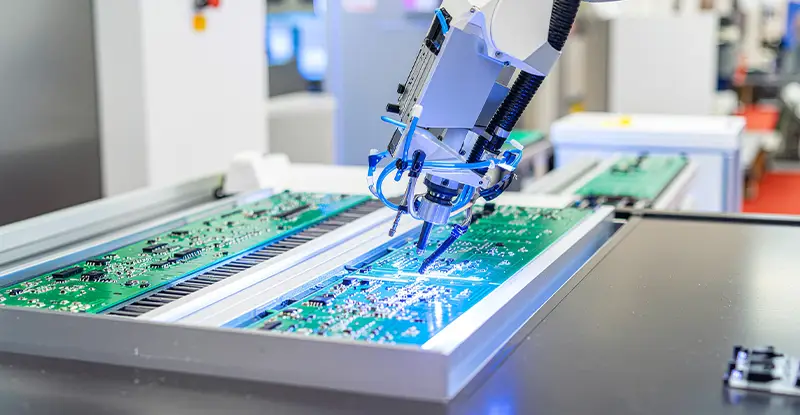
Sensor-based process monitoring detects the actual conditions of each cut, weld, or forming operation and adjusts parameters dynamically rather than running fixed settings. For cutting operations, this means detecting material variation and adjusting feed rate, cutting speed, or process settings to maintain quality output rather than producing inconsistent results when conditions deviate from nominal.
Predictive maintenance integration monitors equipment condition through sensor data and flags maintenance requirements before degradation affects output quality. This converts the rework problem that equipment condition creates from a reactive discovery to a proactive prevention.
Parameter documentation and management captures the optimal settings for each material and operation in accessible digital form, ensuring consistent setup regardless of which operator is running the process.
In-process quality measurement moves quality inspection from end-of-batch to continuous, identifying non-conforming output at the moment it occurs rather than discovering an entire batch of rework after the fact.
For manufacturers in cutting and fabrication operations, equipment selection is where much of the rework reduction opportunity exists. A cutting system that produces consistent, precise output from the first part eliminates the rework that imprecise equipment generates before automation can even address it.
The guidance on choosing the best plasma cutter covers the equipment specification factors that directly affect cut quality consistency across production runs. Hypertherm builds its plasma cutting systems with the precision and parameter consistency features that directly reduce rework in metal fabrication operations, combining cutting accuracy with process control that supports first-time quality.
Modernize AP Operations Without Additional Headcount
Growing manufacturers need scalable financial processes. InvoiceAction automates invoice workflows with high accuracy. Support business growth while
controlling costs.
Book a demo now
For manufacturers managing the broader operational picture beyond the production floor, process automation extends into the document and data workflows that surround manufacturing operations.
Quality documentation, non-conformance reporting, rework tracking, and the data analysis that identifies root causes of recurring rework all generate significant administrative work when handled manually. Intelligent document processing platforms automate the capture, categorisation, and routing of this information, making quality data available for analysis in real time rather than after a lag that delays corrective action.
The manufacturer who can identify that a specific material lot is generating elevated rework rates on the same day the rework starts occurring, rather than at the end-of-month quality review, acts on that information before the problem compounds.
Recommended reading: How an ERP System Can Support Your Manufacturing Process
The manufacturers achieving the lowest rework rates consistently combine several elements:
Each element individually reduces rework. Combined systematically, they create manufacturing operations where rework is the exception rather than the embedded cost.
Bad order data disrupts production planning and fulfillment. OrderAction delivers intelligent order automation for greater consistency. Reduce exceptions and improve customer service.
Rework reduction is not a single project. It's a systematic approach to every point where variability enters the manufacturing process and producing good output the first time rather than relying on correction to compensate.
The manufacturers that achieve this most effectively are those that address equipment precision, process monitoring, knowledge management, and quality data analysis as an integrated programme. The financial return is consistent and significant.
 Which Manufacturing ERP Software Systems Are the Best for You?
 How an ERP System Can Support Your Manufacturing Process
 Reduce Manufacturing Delays with Document Automation
 Intelligent Document Processing for Manufacturing Firms
 Lean Manufacturing Meets Automation for Smarter Operations
 How Intelligent Automation Powers Smart Manufacturing
