Rebranding Without Customer Loss: A Step-by-Step Guide for Positioning and Visual Updates

Published: January 26, 2026
Rebranding is supposed to make your business easier to choose and easier to remember. But if the rollout feels abrupt, or if it changes what loyal customers think they’re buying, you can lose trust faster than you gain attention.
If you’re weighing whether to do this in-house or bring in outside help, it can be useful to compare approaches and see what specialized branding companies typically handle versus what you can confidently own internally.
The goal of a low-risk rebrand is to keep what customers love and recognize, while improving what’s holding you back. That means treating positioning and visual design as a connected system and migrating that system carefully across every customer touchpoint. Here’s how.
Many customer-loss stories start with the category mistake of calling something a rebrand when the business really needs a refresh (or vice versa). Before touching the logo, whether it is a traditional mark or an AI logo, be clear on the problem you’re solving.
A refresh is usually enough when you’re modernizing and clarifying. All you need is high-quality visuals, better messaging, tighter product naming, and an improved website UX. A rebrand is more appropriate when you’re changing what you mean in the market, like targeting a new audience, shifting to a new category, adopting a new business model, or fixing a damaged reputation.
The smaller the actual change you’re trying to make, the more conservative you should be with visual changes. Customers are often fine with improvements, but they dislike feeling surprised.
Recommended reading: Digital Transformation in Accounts Payable & Accounts Receivable
If you want to avoid customer loss, start by testing for misinterpretation risk. The idea is to try and make sure that your most loyal customers don’t start thinking that you’re suddenly going to become someone completely different.
A short survey that tests new messaging options against the current message is a quick and practical way to validate, followed by a homepage A/B messaging test, where you keep visuals constant and test the level of clarity.
This step matters because research pitches trust as a purchase filter alongside classic factors like price and quality, meaning a confusing rebrand can directly affect conversion, not just sentiment.
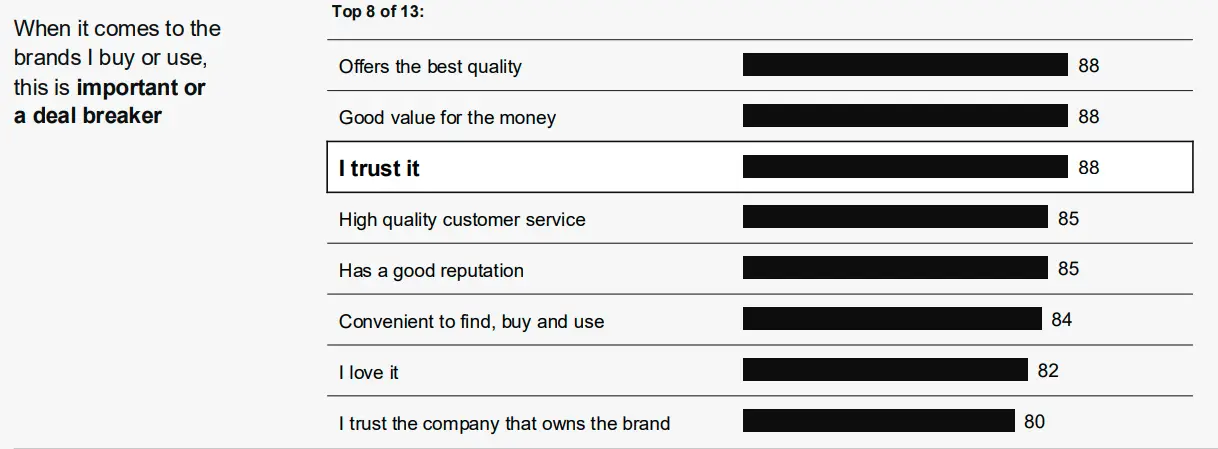
[Source: Edelman]
Recommended reading: How Data Analytics Drives Success in Digital Marketing Strategies
Your visual identity can change in different ways, and each path carries a different recognition risk.
The lowest risk is evolution. Here, you keep recognizable elements, like the rough shape, color family, and icon type, and modernize the execution. A medium-risk hybrid approach means keeping one major anchor, like a symbol or color, and redesigning everything else.
Finally, there’s replacement as the highest risk strategy. This means changing the logo, palette, and system significantly, but it is only recommended if you have a very strong reason and can execute a careful rollout (more on that later). Even with a full replacement strategy, a professional logo maker can help reduce some of the risk by letting you test different typography, symbols, and color systems before committing to a broader rollout. For teams creating supporting visual assets and brand presentations, tools like Capcut Pro Free can also be useful for experimenting with animations, layouts, and branded content before introducing a major visual identity update.
Rule of thumb: If your brand relies on quick recognition (retail packaging, consumer app icons, storefront signage), prioritize continuity. Major changes should feel like a new version of the same brand, not a different company wearing your name.
Recommended reading: Top 5 Digital Tools to Boost Marketing Team Productivity
The lowest-risk rebrands treat launch as a controlled migration across systems, instead of a huge “ta-da” moment.
Create a touchpoint map that includes things like your website, app, and product UI, as well as emails, social profiles, proposals, help docs, etc. For companies with sites built on Webflow, Webflow development can also be part of this migration, helping teams update reusable site components, layouts, and branded elements consistently without rebuilding the entire website. With these touchpoints mapped out, choose the rollout model that best fits your rebrand:
This is also where a centralized asset library pays off. When teams can quickly find the correct logo files, templates, and approved copy, it can boost marketing team productivity without relying on constant back-and-forth approvals.
Remember: a rebrand goes beyond your website, social banners, and marketing communication. It also shows up in the places customers see when they’re trying to pay you, onboard, renew, or get help. This is why every rebrand is its own kind of digital transformation project, whether you planned for that or not.
An easy way to lose trust during a visual update is sending a loyal customer an invoice or confirmation email that looks like it came from a different company. If your business relies on a digital platform or any kind of management system, like a CRM or helpdesk, your brand is embedded in the templates and workflows that run every day.
Some operational touchpoints that are most often missed during rebrands include invoice processing templates, order confirmations, shipping updates, and order processing emails. Save yourself a headache and treat these as part of the rollout plan.
If you’ve already invested in process automation or other automation tools, take advantage of them here by updating templates once, then propagating the changes everywhere those documents and emails are generated.
Recommended reading: Business Process Automation: Examples, Tips, Technologies
A rebrand can accidentally break tracking and reporting at the exact time when leadership is most anxious about results. So, keep a performance continuity checklist covering redirects, analytics events, conversion tracking, email deliverability, SEO metadata, and any dependencies related to Google Search API data flows or query handling.
Nielsen has reported that 62% of marketers use multiple measurement solutions to get a comprehensive view, which can contribute to reduced confidence.
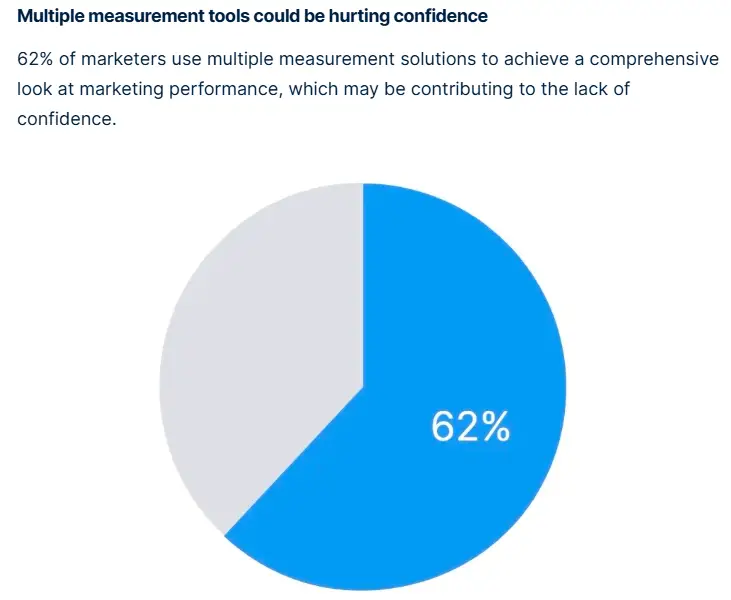
That’s a reminder to simplify what you can during a rebrand by deciding on the few metrics that matter most, like conversion rate, retention, brand search, CAC, and support volume. Watch them closely through the transition, with clean data management practices so you can trust what you’re seeing.
Recommended reading: The Power of Data Management
Rebranding without customer loss is less about finding the perfect logo and more about controlling the customer’s experience of change. If you protect the cues people recognize and clarify what you stand for, while being careful to roll out updates like a system migration, the rebrand becomes an upgrade that old customers accept, and new ones finally understand.
 Digital Transformation in Accounts Payable & Accounts Receivable
 Revolutionizing Digital Management with IPA
 The Power of Data Management
 Business Process Automation: Examples, Tips, Technologies
 Best Automation Tools for Intelligent Processes
 How Tools and Technology Are Transforming Business Workflows
