5 Solar Sales Proposal Softwares to Streamline Your Workflow

Published: February 12, 2026
AI-powered solutions like SolarGenix automatically handle roof detection, shading analysis, and system design without manual input. Template-based software requires you to input design specifications manually, then formats them professionally. AI saves significantly more time but costs slightly more per proposal.
Most modern proposal software can be operational within 1-2 days for basic use. Full team training and workflow optimization typically takes 2-3 weeks. The key is starting with experienced sales reps who can become internal champions for the new system.
Most established proposal software offers API integrations or direct connections with popular CRMs like Salesforce, HubSpot, and Pipedrive. Check integration capabilities during your evaluation process, as seamless data flow between systems significantly improves efficiency.
Recommended reading: Learn What Is ERP And How to Choose Enterprise Resource Planning Software
Quality proposal software includes review and editing capabilities. However, AI-powered systems trained on real project data (like SolarGenix) typically produce fewer errors than manual calculations. Always establish quality check procedures regardless of your software choice.
Pay-per-proposal works better for teams creating fewer than 50 proposals monthly, as it provides cost predictability tied directly to sales activity. Monthly subscriptions make more sense for high-volume operations where the per-proposal cost drops significantly.
Most customers appreciate faster response times and professional presentation. The key is positioning it properly: emphasize the accuracy and speed benefits rather than focusing on automation. Customers care about results, not the process behind them.
Modern AI-powered software excels at complex scenarios that would take hours to calculate manually. However, some edge cases may still require human review. Choose software with a proven track record on diverse roof types and challenging installations.
Most proposal software is designed for non-technical users. Expect 2-4 hours of initial training per sales rep, with additional time for workflow optimization. The biggest challenge is usually changing established habits, not learning the software itself.
Let's talk about the elephant in the room: proposal bottlenecks. Here's a scenario that might hit home with you. You've got a hot lead who's ready to move forward, but you're stuck spending 3-4 hours manually designing their system, calculating shading impacts, and putting together a professional-looking proposal. Meanwhile, your competitor sends their proposal in 20 minutes and locks in the deal.
What you might be missing here is the right solar proposal software. Put yourself in a homeowner's shoes, they're comparing multiple solar companies, and speed often wins. The first professional proposal they receive usually gets the most serious consideration.

Solar proposal software helps teams win deals faster - but closing the loop requires automation beyond proposals. Artsyl’s AI-driven platform docAlpha helps solar and other engineering companies capture, validate, and process signed proposals, contracts, invoices, and payments automatically - without manual data entry or delays. Aligns teams and speeds up revenue flow.
The truth is, manual proposal creation is killing your close rates and driving up your CAC. Every hour you spend on CAD drawings and calculations is an hour you're not selling. That's why smart solar sales teams are turning to automated proposal software that handles the heavy lifting while they focus on what matters: closing deals.
Homeowners are also becoming more informed about how solar fits into broader energy upgrades, especially when paired with improvements like home insulation, many buyers now evaluate solar proposals alongside insulation quality, energy efficiency upgrades, and long-term utility savings, making clear, easy-to-understand proposals even more important during the decision-making process.
We've worked side-by-side with solar sales teams for years, and we know the bottlenecks, the follow-up stress, and the race to get proposals out faster than the competition. Let's now break down the top 5 solar proposal software solutions that can transform your workflow from hours to minutes.
Recommended reading: How Tools and Technology Are Transforming Business Workflows
Winning Faster Proposals Is Only Half the Battle
Once a proposal is approved, invoicing often becomes the next bottleneck. InvoiceAction helps solar and other engineering companies automate invoice capture, validation, and ERP posting so momentum isn’t lost after the deal is won. The result: faster billing, fewer errors, and stronger cash flow.
Book a demo now
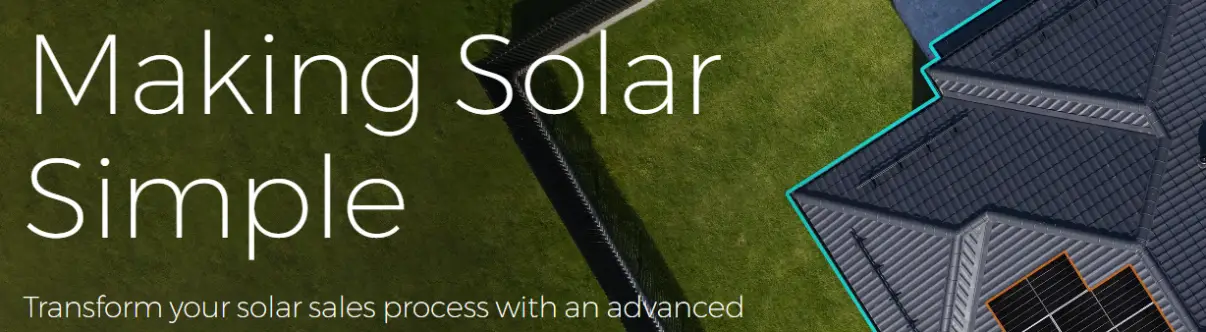
When it comes to true automation in solar proposals, SolarGenix leads the pack with patent-pending AI trained on tens of thousands of real CAD project files. This isn't just another design tool, it's a complete workflow transformation.
SolarGenix handles the entire proposal process without manual intervention. Their AI engine automatically detects roof structures from satellite imagery, analyzes shading patterns across all seasons, and places panels in optimal configurations. No sketching, no manual tweaking, just professional proposals in minutes.
Key Features:
Unlike monthly subscription models that eat into your margins, SolarGenix uses a pay-per-proposal system:
This model works especially well for small-to-medium solar sales teams who want predictable costs tied directly to their sales activity.
Recommended reading: Learn the Role of Process Automation in IT System Efficiency
Solar sales teams who want to eliminate manual design work entirely and deliver engineer-level accuracy without the engineering overhead. Perfect for door-to-door sales reps who need instant proposals in the field and companies looking to reduce CAC through faster turnaround times.
Try SolarGenix: Start with their demo at solargenix.ai to see how AI automation can transform your proposal workflow.
AI-Driven Sales Should Extend Beyond Proposals
AI-powered proposal tools are transforming how deals are created. Artsyl’s AI-based platform docAlpha helps solar and other engineering companies extend automation to the documents that follow - signed proposals, orders, invoices, and payments - ensuring speed, accuracy, and consistency across the entire workflow.
Book a demo now
Makt.tech positions itself as an all-in-one solar business management platform, combining proposal generation with comprehensive CRM functionality. Their approach focuses on managing the entire customer journey from initial lead to installation.
Makt.tech offers a broader business management approach beyond just proposals. Their platform includes lead tracking, customer communications, and project management tools integrated with proposal generation.
Key Features:
Makt.tech typically operates on a monthly subscription model with tiered pricing based on team size and feature access. Pricing generally starts around $99/month for basic plans, scaling up for larger teams and advanced features.
Solar companies are looking for a complete business management solution rather than just proposal software. Works well for teams that need integrated CRM functionality and don't mind the monthly subscription commitment.
Recommended reading: CRM vs. ERP: What's the Difference?
SolarSaaS takes a comprehensive platform approach, offering proposal generation as part of a larger solar business management suite. Their system emphasizes workflow automation across multiple business functions.
SolarSaaS focuses on streamlining operations beyond just proposals, incorporating sales processes, customer management, and business analytics into a unified platform.
Key Features:
SolarSaaS typically uses subscription-based pricing with multiple tiers. Plans often start around $150/month for small teams, with enterprise options for larger organizations requiring advanced features and integrations.
Established solar companies that want to centralize multiple business functions in one platform and have the budget for comprehensive software solutions.
Turn Accepted Proposals Into Automated Orders
OrderAction captures and processes proposal-driven sales orders directly into your ERP using intelligent automation. Accelerate project kickoff and revenue cycles while eliminating manual order entry.
Book a demo now
PV Sell specializes in the Australian solar market, offering proposal software designed specifically for Australian regulations, incentives, and market conditions.
PV Sell understands the unique requirements of the Australian solar industry, including local compliance standards, rebate programs, and utility integration requirements.
Key Features:
PV Sell typically offers subscription-based pricing tailored to the Australian market, with plans designed for different business sizes and regional requirements.
Solar sales teams operating specifically in Australia who need software that understands local market conditions, regulations, and customer expectations.
Recommended reading: Learn How Process Automation Enhances Business Performance
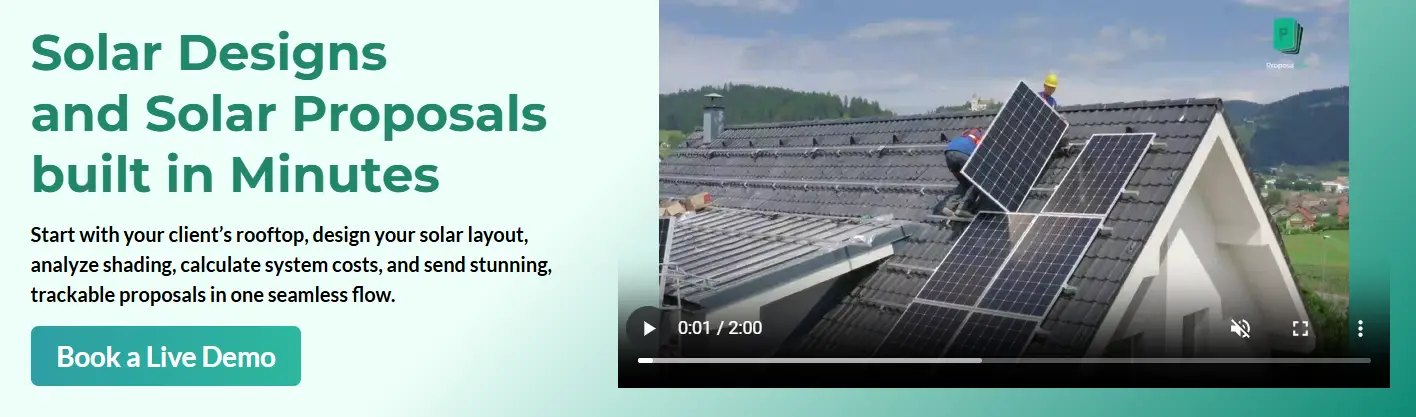
PropoSAFlow focuses specifically on streamlining the proposal creation and delivery process, emphasizing speed and professional presentation in their workflow design.
PropoSAFlow emphasizes reducing the time from initial customer inquiry to delivered proposal, with templates and automation designed for rapid turnaround.
Key Features:
PropoSAFlow generally uses monthly subscription pricing, with different tiers based on proposal volume and feature requirements.
Solar sales teams that prioritize proposal speed and professional presentation, particularly those who already have design tools and need to focus on the proposal delivery process.
Speed Matters - But Accuracy Still Wins
Automated proposals improve speed. Artsyl’s IPA solutions help solar and other engineering companies ensure the documents that follow - contracts, invoices, approvals - are processed accurately and consistently, reducing costly errors.
Book a demo now
Selecting the right proposal software depends on your specific business model, team size, and technical requirements. Here's how to evaluate your options:
If you're generating 10-25 proposals per month, pay-per-proposal models like SolarGenix often provide better ROI than monthly subscriptions. For higher volumes, subscription models might make more sense financially.
Full Automation vs. Manual Control:
Integration Needs:
Recommended reading: Discover the Tools and Tactics Behind Process Automation Success
Some platforms require technical expertise for setup and operation, while others are designed for non-technical sales professionals. Match the complexity to your team's capabilities and training resources.
Beyond monthly fees, consider:
When discussing proposal software with your team or management, you'll likely encounter these objections:
Answer: "I understand the hesitation to change a working system. However, manual processes limit your capacity and competitive speed. While you spend 3-4 hours on one proposal, competitors using automated tools are sending multiple proposals in the same timeframe. The cost isn't just time, it's lost deals and higher CAC."
Answer: "That's a valid concern based on older software. Modern AI-powered tools like SolarGenix are trained on thousands of real CAD projects and often produce more accurate results than manual calculations. The key is choosing software with proven accuracy, not just speed."
Answer: "Let's look at the numbers. If proposal software saves 3 hours per proposal and you create 20 proposals monthly, that's 60 hours saved. At a $50/hour value, that's $3,000 monthly in time savings alone, not counting improved close rates from faster delivery."
Scale Sales Without Scaling Manual Work
Proposal software increases deal volume - but it also increases paperwork. Artsyl AP Automation solutions help solar and other engineering companies process sales documents and invoices automatically, without adding headcount. Protect margins while increasing operational throughput.
Book a demo now
Successfully implementing proposal software requires proper planning and team buy-in. Here's how to ensure smooth adoption:
Begin with 2-3 experienced sales reps testing the software on actual prospects. This allows you to:
Create checklists for proposal review to maintain quality during the transition:
Your team will need to confidently explain automated proposals to customers:
Sample Script:
"This proposal was created using advanced AI software trained on thousands of solar installations. It provides engineer-level accuracy for your specific roof conditions and local utility rates, which is why we can deliver it so quickly while maintaining precision."
Recommended reading: Discover Ways to Automate and Enhance Information Workflows
Track these metrics to demonstrate the value of your software investment:

Artsyl’s AI-based IPA platform docAlpha automates invoice capture and validation after solar deals are approved. Improve accuracy, speed, and financial visibility without slowing sales momentum.
The right solar proposal software transforms your sales process from a time-consuming bottleneck into a competitive advantage. Whether you choose AI-powered automation like SolarGenix for complete hands-off operation, or integrated platforms that manage your entire business workflow, the key is matching the solution to your specific needs and volume.
Speed wins in solar sales. While your competitors are still sketching roof layouts and manually calculating shading, you'll be delivering professional proposals that close deals faster and reduce your CAC. The solar industry is moving toward full automation, the question isn't whether to adopt proposal software, but which solution will give you the biggest competitive edge.
Start with a pilot program, measure your results, and scale what works. Your sales team will thank you for giving them back hours of their day to focus on what they do best: building relationships and closing deals.
 Business Process Automation: Examples, Tips, Technologies
 Process Automation in AP
 Best Automation Tools for Intelligent Processes
 Document Automation: Which Documents Can You Automate?
 Automation Strategies for Modern Business Growth
 Automate Operations To Scale Faster And Save Hours Each Week
