5 Lessons From the World’s Most Efficient Freight Networks

Published: January 22, 2026
Freight networks are the arteries of global trade. When they function well, goods flow smoothly; when they break, chokepoints ripple across economies. Over the past decades, some freight and logistics systems have proven themselves far more efficient, resilient, and sustainable than others. In studying these networks, we can distill important lessons that any supply chain or freight operator, or policy‐maker, should heed.
Here are five critical lessons gleaned from top global freight networks, with examples, pitfalls, and insights for implementation.

With docAlpha, logistics teams turn unstructured paperwork into structured data instantly. Enable faster decisions and build a more efficient freight ecosystem.
One of the clearest differentiators of efficient freight networks is the presence of infrastructure designed specifically for freight, avoiding mixed‐use congestion, bottlenecks, and inefficiencies. Heavy reliance on mixed traffic (freight + passenger) or inadequate intermodal connectors often causes delays, underuse of capacity, and higher operating costs.
Why it matters
Pitfalls & lessons
Recommended reading: How Automated Invoice Approval Transforms Transportation Operations
Strengthen Freight Network Efficiency With AP Automation
InvoiceAction automates freight, carrier, and fuel invoices with AI accuracy. Reduce disputes, speed up payment cycles, and keep carriers aligned.
Book a demo now
Efficient freight networks are data‐driven. They don't just move goods, they monitor everything, anticipate bottlenecks, and constantly optimize.
Key components
Lessons
Recommended reading: Optimizing Accounting in Logistics and Transportation: Streamlining Processes with Automation

OrderAction extracts, validates, and routes orders instantly using AI. Reduce bottlenecks and boost the overall efficiency of your freight network.
No freight network can avoid disruption, natural disasters, political border changes, extreme weather, labor strikes, pandemics. The most efficient systems are those that anticipate, absorb, and adapt to them.
What this looks like
Trade-offs & management
Recommended reading: Discover How Automation Solves Document Challenges in Logistics
Unlock Smarter Documentation Across Your Freight Network
AI-driven data capture in docAlpha automates bills of lading, PODs, and customs forms. Reduce processing delays and keep freight moving without interruptions.
Book a demo now
Efficient freight networks are not only about physical infrastructure; regulation, institutions, incentives, standards, and coordination often make or break performance.
Key Aspects
Common barriers
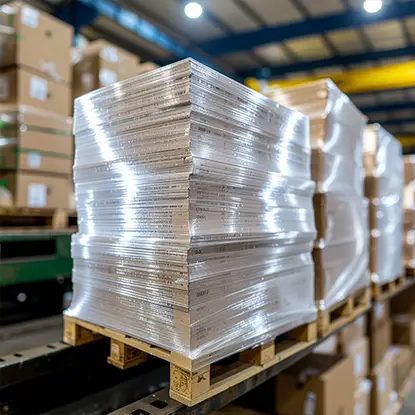
AI-enabled InvoiceAction shortens processing times across distributed networks. Improve working capital efficiency while supporting timely freight movement.
In many of the world’s most efficient freight networks, pushing for sustainability (lower emissions, less energy use, reduced externalities) is not a separate initiative but integral to efficiency gains. The two objectives reinforce each other.
How they interact
Considerations & challenges
Recommended reading: Learn How Delivery Slip Automation Transforms Logistics Workflows

OrderAction eliminates manual rekeying of shipping and fulfillment orders. Strengthen reliability and ensure error-free execution across the network.
If an organization or country wants to move toward the level of these efficient freight networks, here are practical steps based on the lessons above:
Undertake a comprehensive diagnostics of the current freight network: bottlenecks, modal mix, infrastructure condition, regulatory barriers, visibility/data gaps, environmental externalities.
Not all investments are equal. Early wins often come from improving chokepoints (e.g. border crossings, port infrastructure), digital visibility, and better scheduling. Use cost‐benefit analysis including external costs (emissions, congestion).
Ensure multimodal terminals, standardization of equipment, regulatory harmonization. Integration across modes and across jurisdictions will multiply returns.
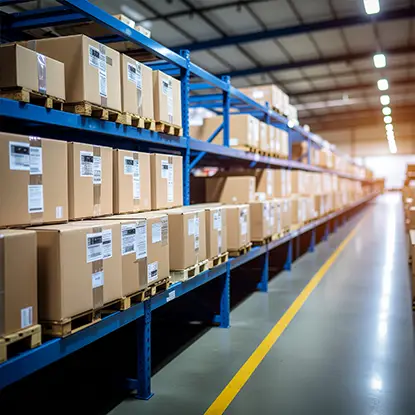
AI-driven document capture in docAlpha eliminates manual data entry across bills of lading, PODs, and freight forms. Accelerate throughput and reduce costly processing delays.
Build visibility, tracking, predictive analytics. Collect data. Partner or procure tools that give decision support for routing, scheduling. Ensure stakeholders share data in a timely fashion.
Plan multiple routes; build redundancy where needed; simulate disruptions; include contingency in contracts and operational planning.
Encourage governments to adjust taxes, tariffs, subsidies to reflect true costs. Promote modal shift. Ensure regulatory frameworks are predictable.
Make environmental metrics (fuel use, emissions, air quality) part of performance evaluation, not just cost and speed. Encourage awareness, training and culture change among staff and partners.
Infrastructure needs upkeep. Digital tools require updating. Disruptions (technological, climate, political) will continue, so continuous improvement is key.
Recommended reading: Discover How Automation Speeds Up Logistics and Supply Chain Operations
Studying the world’s most efficient freight networks reveals that success is seldom about a single factor. Rather, it comes from combining:
Freight networks that integrate all of these tend to perform better, lower costs, higher reliability, lower environmental impact, greater resilience to shocks.
For countries and operators aiming to raise freight efficiency, the path is clear: invest not just in roads and rails, but in smart governance, digital visibility and trusted digital transformation consultancies, and sustainable decision‐making. Doing so creates freight networks that are competitive today, and resilient tomorrow.
 Document Automation for Logistics and Supply Chain Management
 Optimizing Accounting in Logistics and Transportation: Streamlining Processes with Automation
 Automated Invoice Approval Workflow in Transportation
 Document Automation In Logistics Compliance
 Automated Data Extraction for Freight Management
 Supply Chain Automation: Trends and Technologies
