How Inventory Management Software Helps Restaurants Reduce Food Waste and Costs?

Published: April 14, 2026
Restaurants lose money each year because they order too much food and throw it away. Poor stock control also leads to spoilage, missed items, and high food costs. Inventory software gives managers real-time stock data and clear cost reports.
Inventory management software helps restaurants reduce food waste and costs because it tracks stock in real time, sets par levels, and flags waste before it grows. This technology tracks every item, sets order targets, and shows where loss occurs. As a result, the team makes better purchase decisions and uses food before it spoils.
The system also helps control food costs. It compares usage to sales, spots variance, and prevents over-order. With better data and clear reports, the restaurant reduces waste and protects profit.
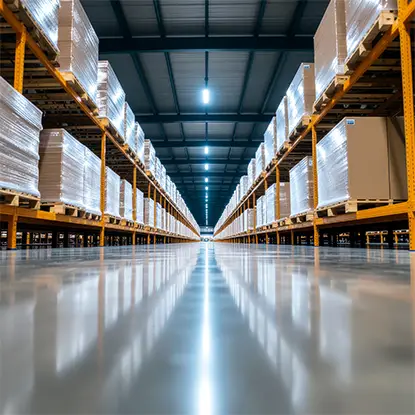
Unify disconnected inventory, supplier, and operational data with AI-powered automation using docAlpha. Gain full visibility and reduce waste by making faster, data-driven decisions across operations.
Accurate stock data, timely alerts, and portion control tools help restaurants cut waste at its source. Clear reports also give managers facts they can act on the same day.
Modern kitchens rely on connected restaurant management platforms to keep inventory accurate throughout the day. Instead of updating spreadsheets manually or checking storage rooms between shifts, many teams now rely on restaurant inventory management software to monitor ingredient levels automatically as sales and deliveries happen.
With inventory updates recorded in real time, managers gain a clear view of what is currently in storage and what is moving fastest. This visibility helps identify slow-moving items before they spoil and prevents unnecessary over-ordering. As a result, restaurants reduce excess waste from perishable products like produce, dairy, and meat while keeping purchasing decisions aligned with actual demand.
Real-time inventory data also strengthens forecasting. When sales reports show patterns, such as lower soup orders on weekends or higher demand during evening service, teams can adjust prep lists and purchasing plans accordingly. This allows kitchens to prepare what guests are most likely to order instead of maintaining large backup quantities that often go unused.
Accuracy at the point of order matters just as much as tracking inventory afterward. Solutions powered by AI for restaurants help automate incoming phone orders, reducing order-entry errors and improving the accuracy of inventory records from the moment an order is placed.
Key actions supported by real-time tracking:
Recommended reading: Improve the Food Supply Chain with Smarter Order Processing
Expiry date tracking helps restaurants use ingredients before they spoil. The software records delivery dates and shelf life for each item. It then flags products that approach their use-by date.
As a result, staff can move those items to the front of storage or add them to daily specials. This simple step reduces waste from forgotten cases in coolers or dry storage.
In addition, managers can review waste reports to see which items expire most often. If spinach expires every week, they can reduce order size or change the supplier schedule. Therefore, food stays fresh, and storage space stays organized.
Clear alerts also support food safety. Staff removes expired items right away instead of relying on memory or paper logs.
Portion control plays a direct role in food cost and waste. Inventory software links recipes to exact ingredient amounts. Each time the kitchen prepares a dish, the system deducts the set quantity from stock.
This method shows the true cost per plate. If actual usage exceeds the recipe standard, managers can investigate. For example, large scoops of rice or extra cheese add up over hundreds of orders.
In addition, clear portion data supports staff training. Cooks follow standard recipes with measured tools rather than guesswork. Therefore, the restaurant reduces plate waste and keeps food costs within the target range.
Benefits of precise portion control:
Stop Overpaying for Inventory and Supplies
Automate invoice capture, validation, and matching with InvoiceAction to control supplier costs. Reduce errors, prevent duplicate payments, and protect margins with accurate AP processing.
Book a demo now
Advanced inventory systems cut waste, control food costs, and reduce payroll hours. They give managers clear data on stock levels, supplier prices, and item usage so they can act fast and spend less. Restaurants that pair this level of inventory control with an AI-powered restaurant finance platform gain visibility into spending across the entire back office, not just the kitchen, making it easier to protect thin profit margins from both food waste and uncontrolled costs.
Overordering drives up food waste and ties up cash in unused stock. Inventory software tracks stock levels across storage areas such as freezers, coolers, and dry storage. It updates quantities based on sales data from the POS system.
As a result, managers see what they have on hand before they place a new order. The system can flag slow‑moving items and show usage trends by day or week. For example, if seafood sales drop after the weekend, the manager can reduce the next order.
Many tools also set par levels based on past sales. If stock exceeds the set level, the system alerts the team. This control helps restaurants keep food costs within a healthy 25–35% range and cut waste by a few percentage points. Even a 3–5% drop in food costs can protect profit margins in a tight market.
Recommended reading: Modern Food Manufacturing Powered by Document Automation
Supplier pricing and order accuracy affect total food cost. Inventory software stores vendor details, price lists, and order history in one place. Managers can compare current prices with past invoices and spot sudden increases.
This data supports better purchase decisions. If one supplier raises the price of chicken, the manager can review other approved vendors and shift the order. In addition, digital purchase orders reduce manual errors and prevent duplicate orders.
Clear records also help track delivery issues. If a vendor delivers short counts or damaged goods, the system logs the variance. Over time, this record shows which suppliers meet expectations and which ones create losses. With better data, restaurants negotiate from a position of fact rather than guesswork.
Bring Precision to Food Supply Chain Ordering
OrderAction captures and processes purchase orders automatically across suppliers. Eliminate manual errors and improve ordering accuracy to control inventory costs.
Book a demo now
Manual inventory counts take time and often lead to errors. Staff may spend several hours each week counting items and entering numbers into spreadsheets. Automated systems cut that workload.
Some platforms support real‑time stock updates based on sales and recipes. As each dish sells, the system deducts the exact ingredient amounts from inventory. Therefore, managers need fewer full physical counts.
Operators who adopt automated tools often save 5–10 hours per week on counts and ordering tasks. Those saved hours allow staff to focus on food prep, service, and quality control. Lower labor hours, combined with tighter food control, lead to steady cost reduction without cuts to service.
Recommended reading: Food Tech Innovation: AP Automation and Key Technologies to Watch
Inventory management software gives restaurants clear data and tools that reduce food waste and cut costs.
It supports better control through:
As a result, they buy the right amounts, avoid excess stock, and keep profit margins stable. With accurate insight and timely alerts, they make informed decisions and build a more efficient kitchen operation.
 Inventory Management Strategies: Integrate, Automate, Dominate
 Inventory Tracking: Making The Most Out Of Your Inventory With AI Automation
 Inventory Control: Procedures, Software, Best Practices
 The Synergy Between IoT and AI: Transforming Inventory Tracking and Automation
 Sales Order Processing Explained: Workflow, Automation, and Benefits
 Streamlining Manufacturing Order Processing With ERP-Integrated Sales Order Automation
