Dedicated Server Definition:
More Than Just “Your Own Machine”
Published: April 08, 2026
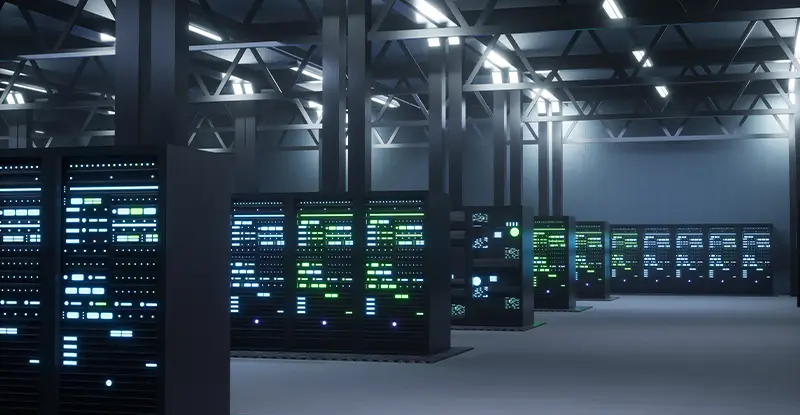
A dedicated server is a physical machine entirely allocated to a single user or business. Unlike shared environments, where resources are distributed among multiple clients, a dedicated server provides full control over computing power, storage, and network capacity. However, the concept goes far beyond simply “having your own hardware.”
Modern dedicated server solutions are designed around real-world workloads. Instead of generic configurations, businesses can choose tailored setups optimized for performance, scalability, and reliability. With over 400+ configuration options (including AMD, Intel, ARM, and even Mac mini servers), companies can precisely match infrastructure to their needs.
Additionally, today’s providers offer global infrastructure with low latency, transparent pricing with no hidden fees, and 24/7 human support with response times as fast as 30 seconds , making dedicated server hosting not just powerful, but also accessible and predictable.

Artsyl enables intelligent document processing through a flexible subscription model that can be deployed in cloud or dedicated environments. Support secure, high-performance workflows while keeping control over how and where your data is processed.
The key distinction lies in resource allocation and isolation. Shared hosting distributes server resources among many users, which can lead to performance fluctuations. VPS (Virtual Private Server) hosting improves this by creating virtualized environments, but physical resources are still shared at the hardware level.
A dedicated server, on the other hand, eliminates this competition entirely. All CPU, RAM, and storage resources belong exclusively to one client. This ensures consistent performance, higher reliability, and better security, especially important for businesses handling sensitive data or high traffic volumes.
Recommended reading: How Refurbished Enterprise Servers Power Intelligent Automation and Document Processing Platforms
Full control means more than root access. It allows businesses to configure the operating system, install custom software, and fine-tune performance settings according to specific workloads. For example, database-heavy applications can be optimized for faster queries, while API-driven platforms can prioritize network throughput.
It also includes advanced features like network-level DDoS protection, secure control panels, and built-in backup systems offering 100–500 GB of free storage per server. This level of control transforms a dedicated server into a strategic asset rather than just infrastructure.
Deploy Automation in the Environment You Control
Artsyl’s subscription-based platform automates invoice, order, and document processing while supporting deployment in cloud or dedicated server environments. Get the flexibility to match your infrastructure strategy without sacrificing performance or control.
Book a demo now
One of the most obvious signs is consistent traffic growth. If your website or application experiences slow load times, downtime, or resource throttling, it’s likely outgrowing shared or VPS hosting.
A dedicated server ensures that performance remains stable even during peak traffic periods. With global infrastructure and low latency, businesses can serve users efficiently regardless of location.
Industries dealing with financial data, healthcare records, or personal information often require strict compliance standards. Shared environments simply cannot guarantee the level of isolation needed.
A dedicated server provides complete separation from other users, reducing risks and enabling compliance with regulations. Combined with DDoS protection and secure management tools, it creates a robust security foundation.
Applications such as real-time analytics, large-scale databases, and high-frequency APIs demand consistent performance. Even minor delays can impact user experience or business outcomes.
With a dedicated server, resources are not only guaranteed but also customizable. This makes it ideal for processing-intensive tasks, ensuring predictable and optimized performance.
Recommended reading: Architecting a Dedicated Server Environment for Finance-Grade OCR
For businesses transitioning from VPS or shared hosting, entry-level configurations offer an affordable starting point. These setups provide enough power for medium-sized projects while maintaining flexibility for future scaling.
Providers often include ready-to-use solutions alongside fully customizable setups, allowing companies to grow without overcommitting resources early on.
Large enterprises require advanced configurations with high CPU performance, large memory capacity, and fast storage solutions. With hundreds of available configurations, including AMD, Intel, ARM, and specialized hardware, companies can build infrastructure tailored to demanding workloads.
These dedicated server solutions are ideal for big data processing, enterprise applications, and global platforms requiring maximum uptime and performance.
Flexible Automation That Fits Your Infrastructure
Artsyl delivers intelligent automation for invoices, orders, and documents through a subscription model that supports both cloud and dedicated deployments. Scale efficiently while aligning with your security, performance, and IT requirements.
Book a demo now
Before upgrading, businesses should assess their current limitations. Key indicators include performance bottlenecks, increasing downtime, and the need for greater control over infrastructure.
Budget is also a factor, but modern providers offer fixed and transparent pricing, making it easier to plan long-term investments. Additionally, reliable support and migration assistance reduce the complexity of transitioning to a dedicated server environment.
Recommended reading: Learn the Role of Process Automation in IT System Efficiency
Migration to a dedicated server is often simpler than expected. Many providers offer free project and server migration with minimal downtime, ensuring business continuity.
The process typically includes analyzing current workloads, selecting the right configuration, transferring data, and optimizing the new environment. With experienced support teams available 24/7, businesses can complete the transition quickly and efficiently.
 Choosing the Right Server Management System: VPS vs. Dedicated Server
 Making Team Projects Run Smoother with VPS Hosting
 Top Hosting Options for Small Business Websites in 2026
 The Essential Backbone of Digital Operations
 How Scalable Database Hosting Empowers Intelligent Document Processing (IDP)
 Beyond the Hype - The Real Future of Cloud-Native Development
