8 Best Proxies for AI Agents in 2026

Published: June 30, 2026
According to McKinsey’s State of AI survey, 23% of respondents say their organizations are scaling an agentic AI system somewhere in the enterprise, while another 39% have started experimenting with AI agents. However, scaled use remains limited inside individual business functions, with no more than 10% of respondents reporting scaled AI agent use in any single function.
As AI agents move from pilots into production workflows, they increasingly need reliable access to public web data, search results, marketplaces, review platforms, and browser-based environments. Proxy infrastructure helps support that access by managing routing, session continuity, geographic accuracy, and repeated retrieval across agent workflows.

Business decisions depend on accurate information. docAlpha automates document capture, validation, and workflow processing to deliver trusted data across the organization. Reduce processing delays while improving visibility and compliance.
AI agents often interact with the web differently than traditional scraping tools or automation scripts. Many agent workflows involve repeated retrieval, browser interaction, multi-step actions, and continuous monitoring across different sources.
Research agents continuously gather information from websites, search engines, documentation portals, public databases, and industry resources. Proxies help distribute requests across different routes and reduce dependency on a single access point when agents operate at scale. This keeps research workflows more stable during repeated retrieval.
Browser-based agents navigate pages, complete forms, follow links, and process dynamic content. Stable routing and session continuity become important when agents need to complete multi-step tasks without losing context between pages. This is especially relevant for browser automation and agent-based web tasks.
Retrieval-augmented generation systems often refresh external knowledge sources on a recurring schedule. Proxy infrastructure helps support repeated collection across websites, regions, and data sources while maintaining access consistency. This helps keep retrieval pipelines more reliable over time.
Monitoring agents track rankings, prices, product availability, reviews, competitor activity, and market signals. These systems often run continuously, so they need routing strategies that support repeated access without overloading one connection path. Stable proxy routing helps reduce gaps in monitoring data.
Organizations increasingly deploy multiple agents across research, monitoring, sales, compliance, and analytics workflows. Traffic separation helps prevent overlap between agent systems and gives teams clearer visibility into usage patterns. This becomes more important as agent deployments expand across teams.
Recommended reading: AI Automation: What It Is and How It Works
AI agent infrastructure requires more than basic IP rotation. The most effective proxy deployments balance session stability, location accuracy, automation support, and routing flexibility across different workloads.
Different AI agents create different routing requirements. The most suitable proxy type depends on how the agent collects information, interacts with websites, and maintains context across tasks.
Residential proxies route traffic through real household IP addresses. They are commonly used for research agents, browser automation, search monitoring, and retrieval workflows that require higher trust levels. Their residential origin helps support access to websites that closely evaluate traffic quality and network reputation.
Mobile proxies use carrier-issued IPs and are useful when agents interact with mobile-first environments, social platforms, mobile search results, or app-based ecosystems. They can also help support workflows where carrier-level routing and mobile network visibility affect the data being collected.
Datacenter proxies offer fast routing and lower costs for tasks that do not require residential trust signals. They often fit lower-friction collection environments, internal testing workflows, and large-scale automation where speed and efficiency are the primary requirements. These proxies can also support agents that collect public pages from sources with lighter access restrictions.
ISP proxies combine datacenter infrastructure with ISP-assigned IP addresses. They can support longer-running agent workflows that benefit from stable identities and predictable sessions. This makes them useful for tasks that require continuity across repeated interactions and monitoring cycles.
Rotating proxies automatically distribute requests across different IPs. This approach works well for recurring retrieval systems, continuous monitoring, and large-scale public data collection. Frequent IP changes can also help distribute traffic more evenly across long-running agent operations.
How Organizations Modernize Accounts Payable with AI
Traditional AP processes consume valuable finance resources. InvoiceAction automates invoice capture, approval, validation, and ERP posting using AI-powered document processing. Reduce invoice processing costs while improving financial control.
Book a demo now
AI agent proxy needs vary by workflow, target environment, and level of browser interaction. For teams comparing the best residential proxies, the strongest providers are usually the ones that can support repeated retrieval, stable sessions, localized access, and automation-heavy traffic without disrupting agent workflows.
The table below gives a quick market view before the detailed provider analysis.
Provider | Best Agent Use Case | Protocols | Session & Routing | Infrastructure Fit |
1. Live Proxies | Browser agents, AI data collection | HTTP, HTTPS, SOCKS5 | Sticky up to 24h, rotating sessions, private allocation | Strong fit for recurring agent workflows |
2. Oxylabs | Enterprise AI pipelines | HTTP, HTTPS, SOCKS5 | Rotating and sticky sessions | Enterprise web data ecosystem |
3. Decodo | RAG and research agents | HTTP, HTTPS, SOCKS5 | Rotating and sticky sessions | Flexible APIs and routing controls |
4. SOAX | Geo-aware agents | HTTP, HTTPS, SOCKS5, UDP, QUIC | Flexible rotation and targeting | Strong localization capabilities |
5. DataImpulse | Cost-efficient agents | HTTP, HTTPS, SOCKS5 | Rotating and sticky sessions | Flexible traffic-based deployment |
6. IPRoyal | Long-running agents | HTTP, HTTPS, SOCKS5 | Sessions up to 7 days | Good fit for persistent workflows |
7. Webshare | Lightweight agents | HTTP, SOCKS5 | Rotating and direct connection options | Fast deployment and management |
8. ProxyEmpire | Multi-region agents | HTTP, HTTPS, HTTP/2, SOCKS5 | Sticky and rotating sessions | Strong location targeting flexibility |
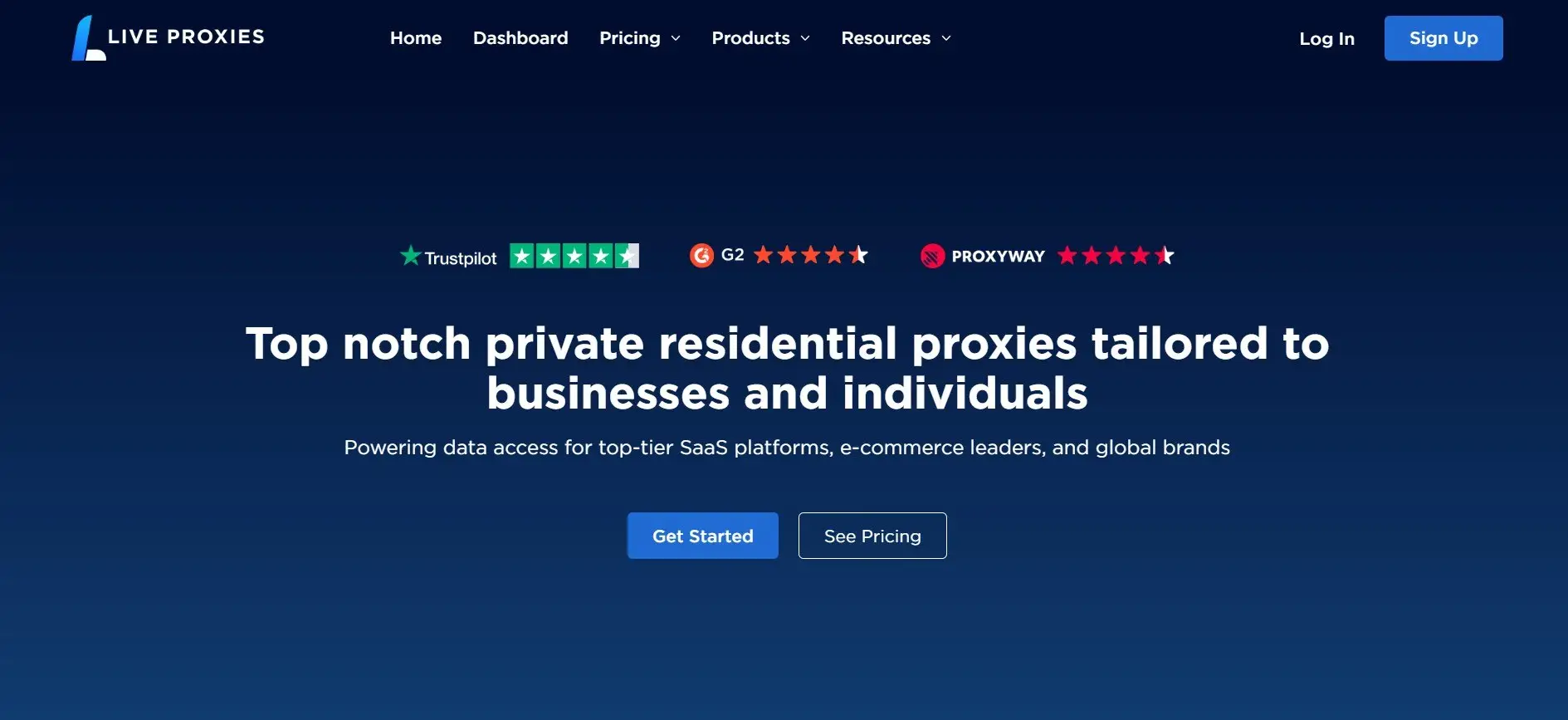
Proxy Types: Rotating Residential, Rotating Mobile
Targeting: Country, city, and ASN targeting
Coverage: 10M+ IPs across 55+ countries
Best AI Agent Use Cases: Browser agents, RAG systems, AI data collection, monitoring agents, autonomous research workflows
Live Proxies provides a rotating ip proxy service designed for browser agents, AI data collection systems, retrieval pipelines, and autonomous monitoring workflows that require stable routing and session control. The platform focuses on rotating residential and rotating mobile proxies while supporting private IP allocation models that help separate traffic across different targets and projects.
Its infrastructure includes sticky sessions up to 24 hours, rotating session formats, unlimited threads, HTTP, HTTPS, and SOCKS5 support, and strong coverage across the US, UK, and Canada. This combination makes the platform particularly relevant for agents that perform recurring retrieval, browser automation, and continuous monitoring tasks.
Recommended reading: How AI Algorithms Transforming Intelligent Process Automation
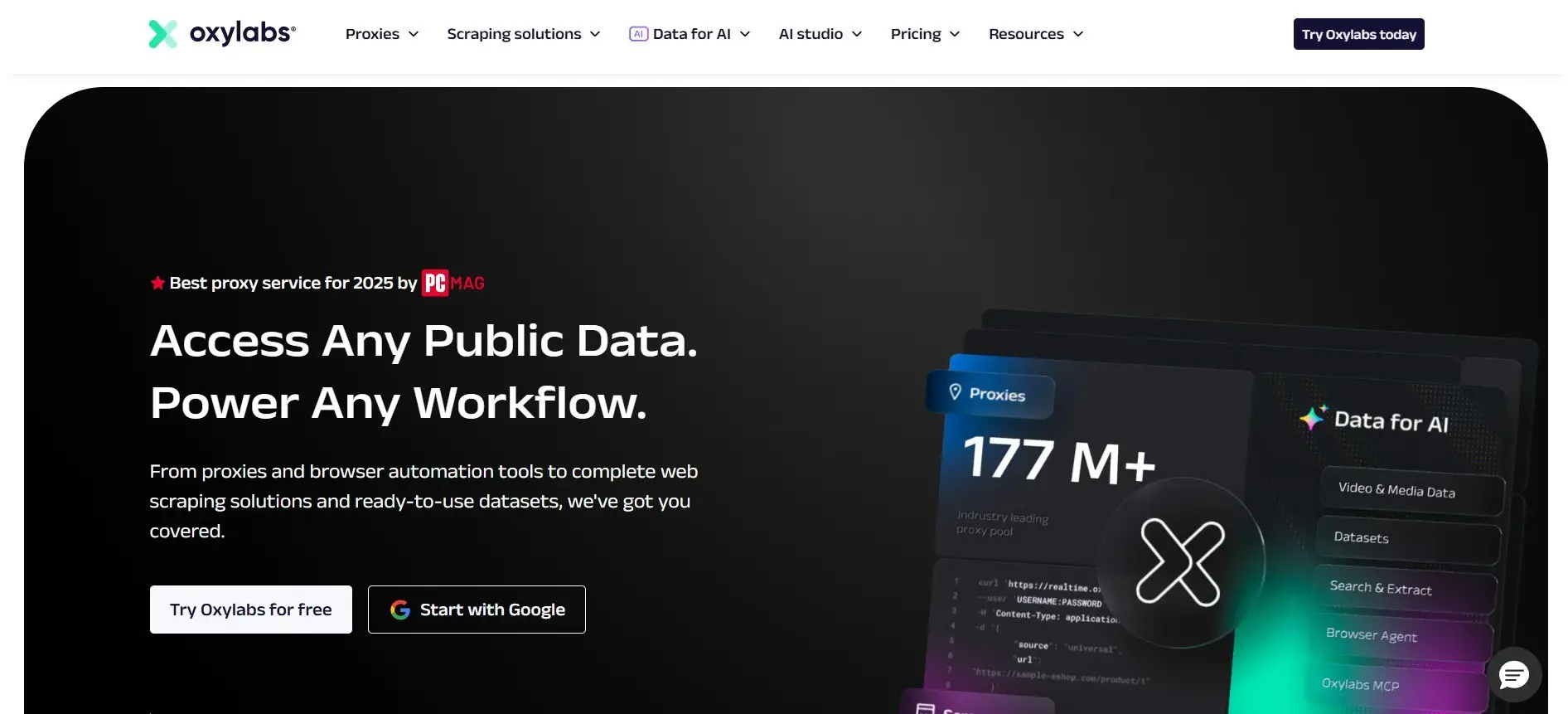
Proxy Types: Residential, Mobile, ISP, Datacenter
Targeting: Country, state, city, ZIP code, coordinates, ASN
Coverage: 175M+ residential IPs
Best AI Agent Use Cases: Enterprise AI pipelines, large-scale retrieval systems, structured data collection
Oxylabs combines proxy infrastructure with a broader web data ecosystem that includes Web Scraper API, Web Unblocker, browser automation capabilities, and search extraction tools. This combination helps organizations build larger AI pipelines that depend on recurring access to public web data.
The platform supports highly granular targeting and multiple proxy categories, which can be useful for organizations running agent systems across multiple regions, data sources, and retrieval environments.
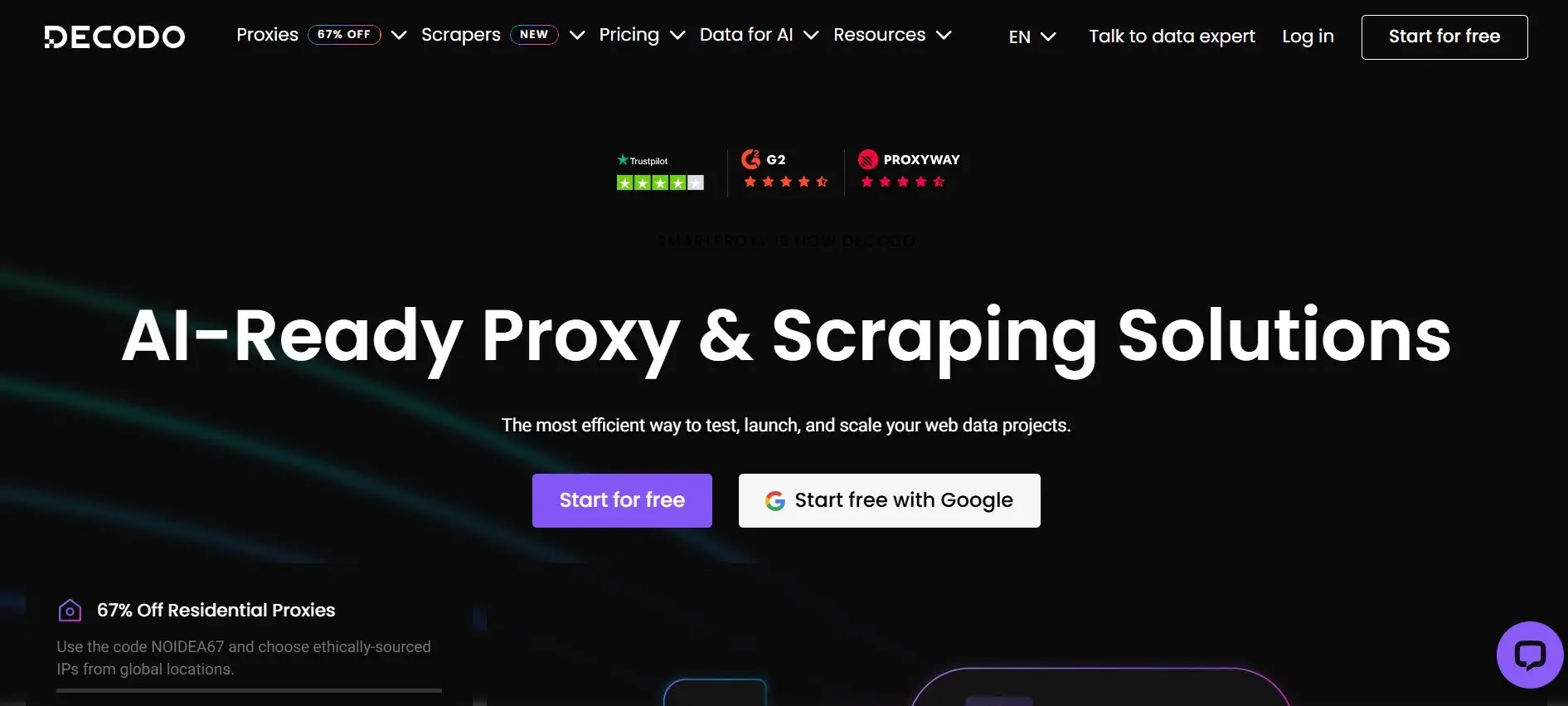
Proxy Types: Residential, Mobile, Static Residential, Datacenter
Targeting: Country, city, ZIP code, ASN
Coverage: 115M+ residential IPs
Best AI Agent Use Cases: Research agents, RAG pipelines, search monitoring, automation workflows
Decodo provides a combination of proxy infrastructure and scraping tools that support recurring retrieval and research-oriented AI workflows. The platform offers flexible session management, multiple proxy categories, and APIs that help technical teams integrate proxy access into agent systems.
Its targeting options and scraping products can support agents that collect localized search results, marketplace data, reviews, and public web content across different regions.

Growing document volumes shouldn't require more staff. docAlpha combines AI workflow automation with intelligent document processing to streamline operations from end to end. Scale efficiently while lowering operational costs.
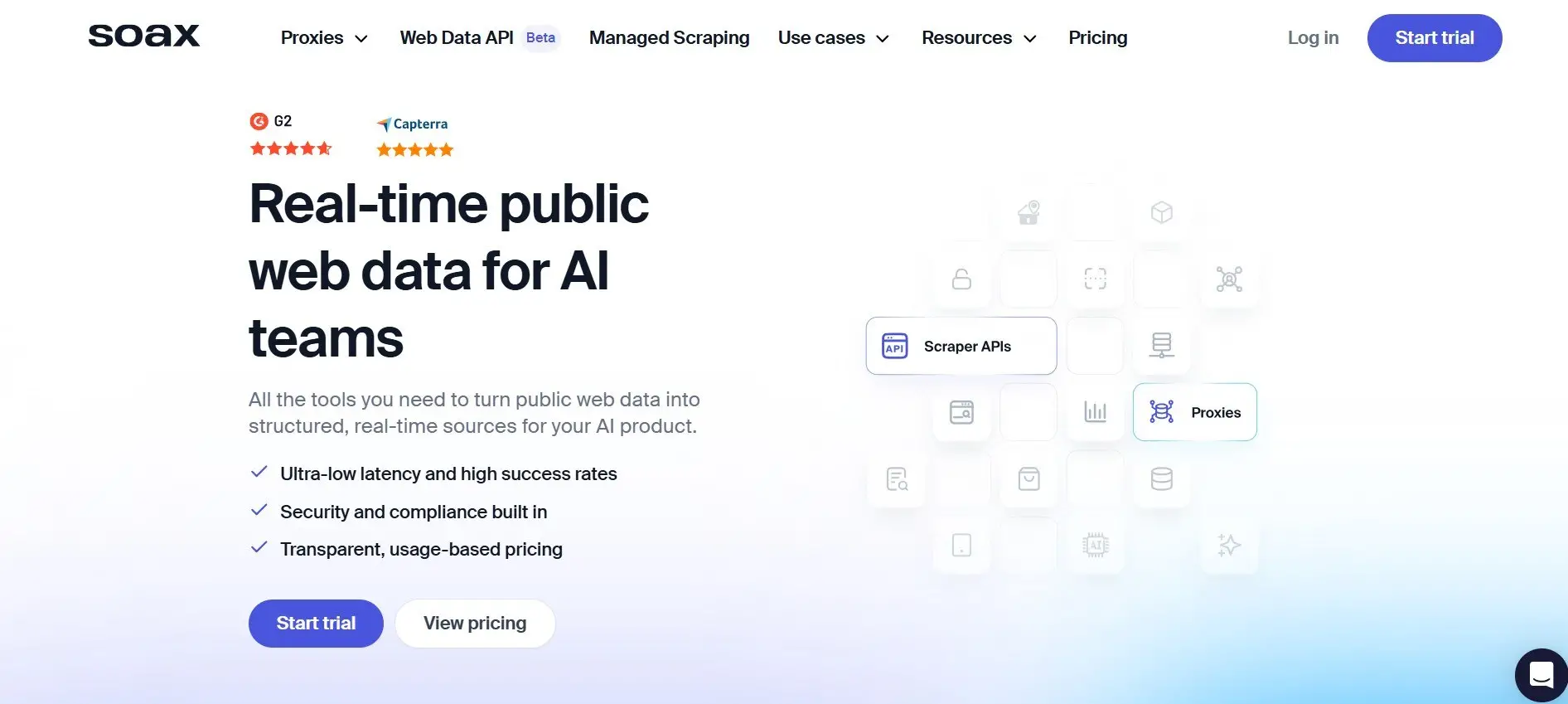
Proxy Types: Residential, Mobile, Datacenter
Targeting: Country, region, city, ISP, carrier
Coverage: 191M+ total IPs, including 155M+ residential IPs
Best AI Agent Use Cases: Geo-aware agents, localized monitoring, regional data collection
SOAX focuses heavily on location-sensitive routing and localized access. This makes the platform relevant for AI agents that depend on regional search results, localized content, pricing intelligence, and market-specific information.
Its support for carrier targeting, ISP targeting, and advanced geographic controls can help organizations deploy agents that require highly accurate regional visibility.
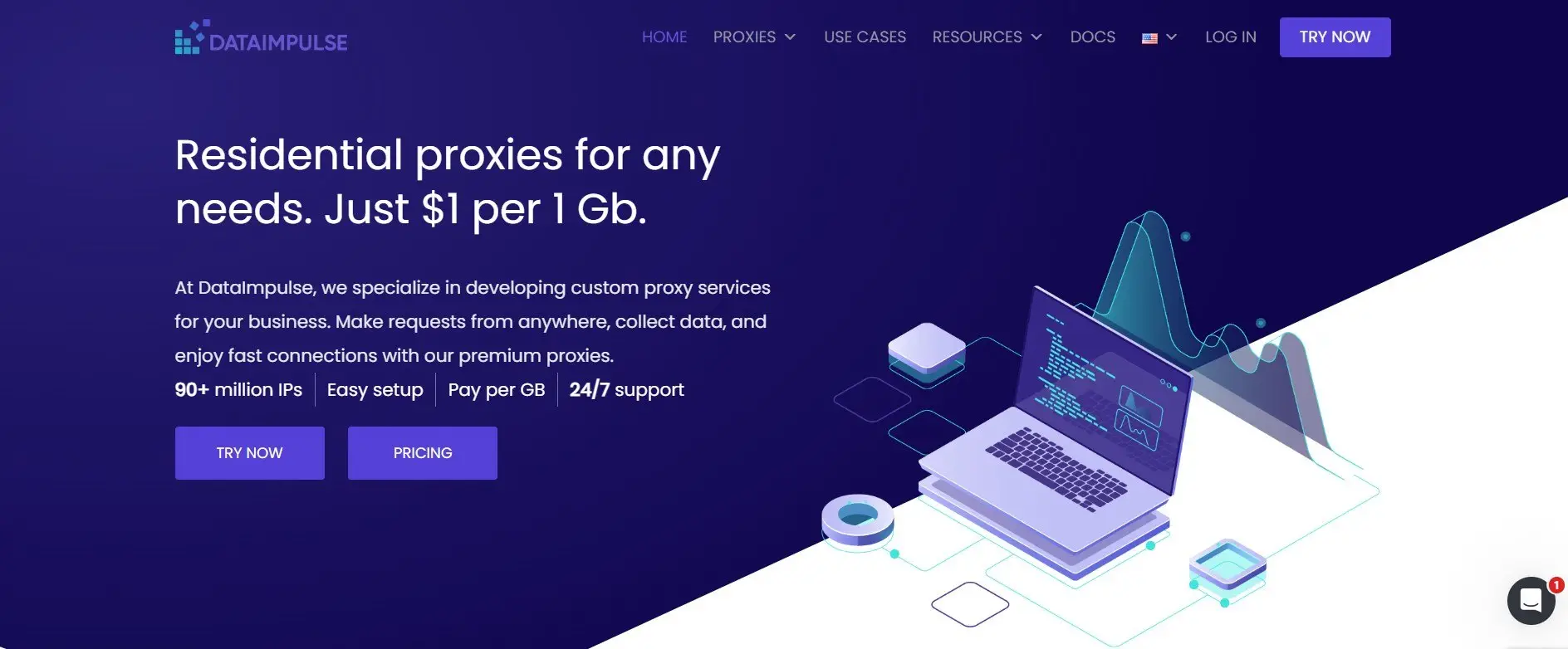
Proxy Types: Residential, Mobile, Datacenter
Targeting: Country, city, ZIP code, ASN
Coverage: 90M+ IPs
Best AI Agent Use Cases: Cost-controlled agents, experimental deployments, research automation
DataImpulse offers a flexible traffic model that can be useful for organizations testing new AI agent workflows before scaling infrastructure. Its residential, mobile, and datacenter products provide routing flexibility across different collection environments.
The platform's pay-as-you-go approach can support teams running intermittent retrieval systems or agents with variable traffic requirements.
Recommended reading: Discover the Benefits of AI-Enhanced Order Management
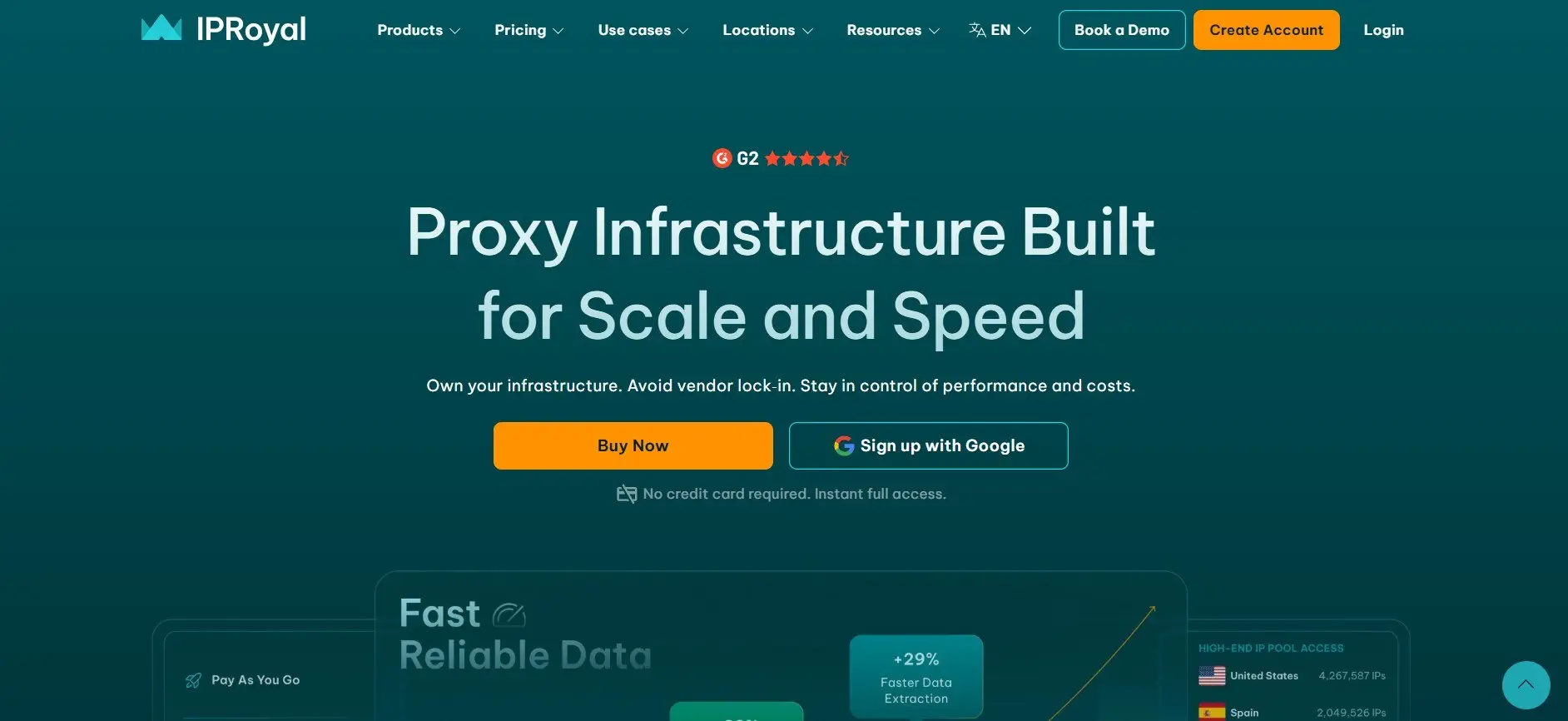
Proxy Types: Residential, Mobile, ISP, Datacenter
Targeting: Country, state, city, ISP
Coverage: 32M+ residential IPs
Best AI Agent Use Cases: Long-running agents, account-based workflows, persistent retrieval
IPRoyal is particularly notable for its session flexibility. Residential sessions can remain active for extended periods, making the platform useful for agents that depend on continuity across longer workflows.
Its combination of multiple proxy categories and non-expiring traffic can also support organizations that operate retrieval systems on irregular schedules.
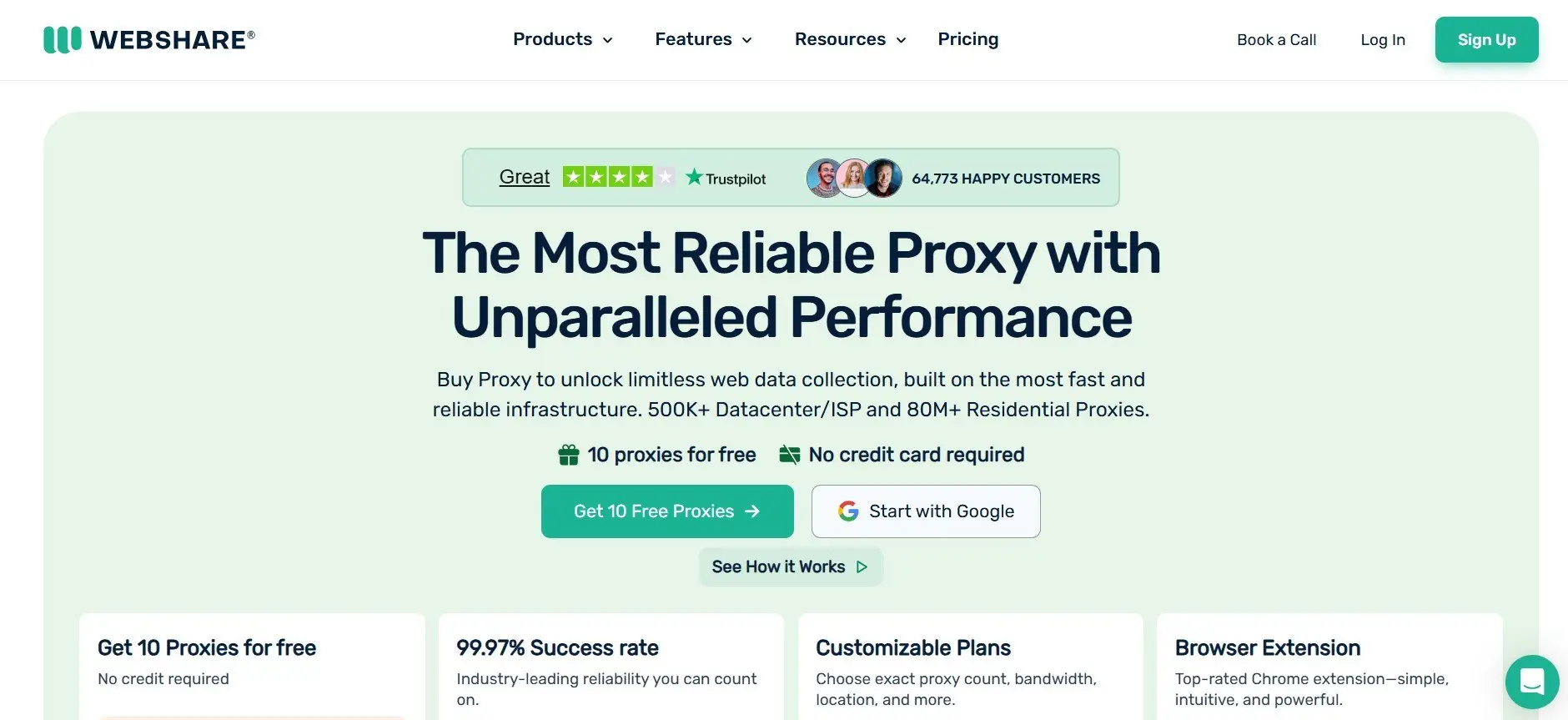
Proxy Types: Residential, Static Residential, Datacenter
Targeting: Country filtering and proxy replacement controls
Coverage: 80M+ residential IPs
Best AI Agent Use Cases: Lightweight agents, internal tools, deployment testing
Webshare focuses on simplicity and operational ease. Its infrastructure supports teams that need quick deployment, API access, and predictable proxy management without complex enterprise configurations.
The platform can fit smaller AI agent deployments, internal retrieval tools, and testing environments that prioritize ease of management.
How AI Processing Improves Customer Order Management
High order volumes demand intelligent automation. OrderAction eliminates repetitive order entry with AI-powered workflow automation and document processing. Deliver faster response times while supporting business growth.
Book a demo now
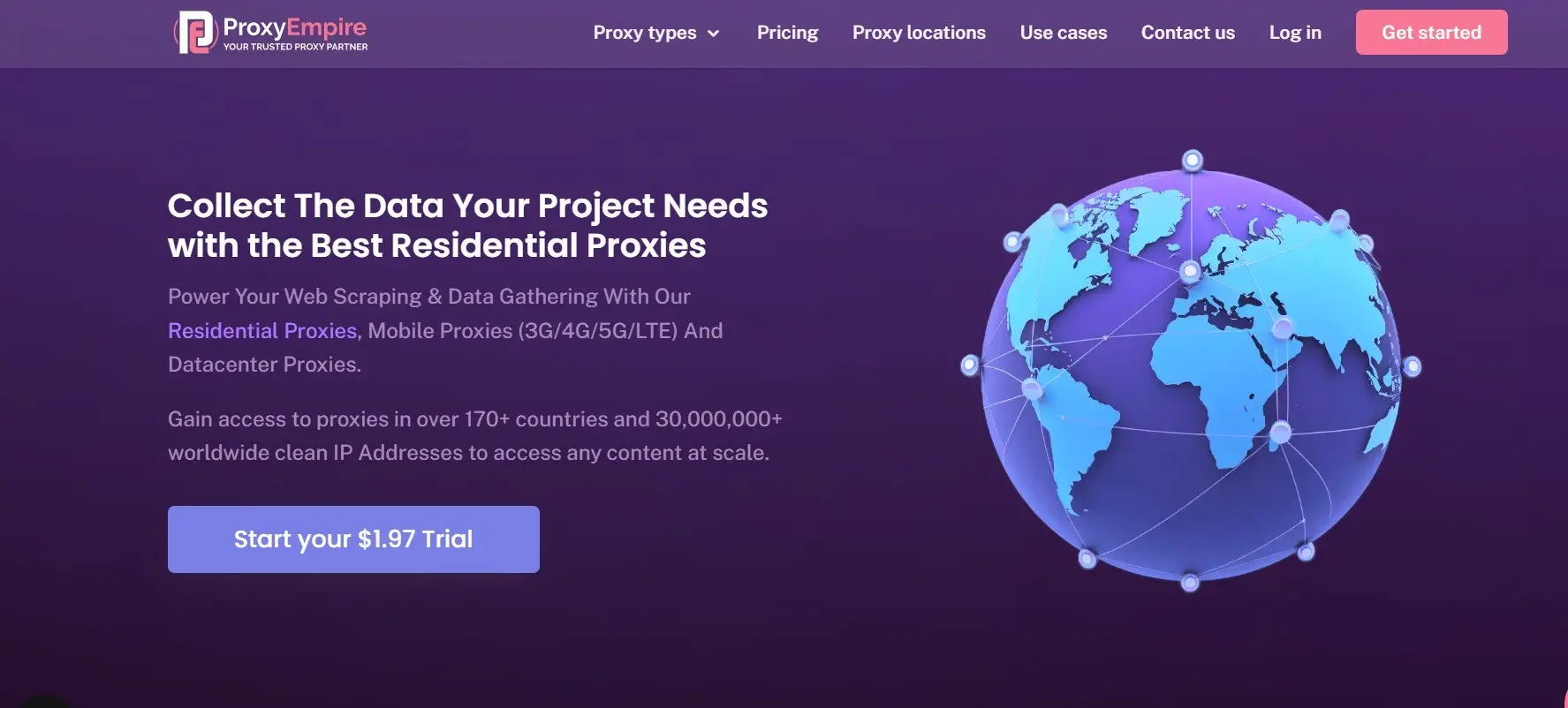
Proxy Types: Residential, Mobile, Datacenter, Static Residential
Targeting: Country, region, city, ISP, carrier
Coverage: 30M+ clean residential, mobile, and datacenter IPs
Best AI Agent Use Cases: Multi-region agents, regional monitoring, distributed retrieval systems
ProxyEmpire provides a broad set of targeting controls that can support agents operating across multiple geographic regions. Its infrastructure includes residential, mobile, and datacenter products with both rotating and sticky session options.
This flexibility can be useful for organizations deploying AI agents that collect localized information from several markets simultaneously.
Recommended reading: How AI Technology Is Revolutionizing Enterprise Automation
The most suitable proxy provider depends on how agents collect information, interact with websites, and scale across business functions. Organizations should evaluate proxy infrastructure against actual workflow requirements rather than proxy pool size alone.
Research agents, browser agents, monitoring agents, and RAG systems often create different routing requirements. Understanding how agents interact with external sources helps narrow provider selection. This also prevents teams from using one proxy setup across workflows that behave very differently.
Search engines, marketplaces, review platforms, public databases, and dynamic websites often respond differently to automated traffic. Target environments should influence proxy strategy. Teams should map the main data sources before choosing proxy types, targeting depth, or session rules.
Some agents require long-duration sessions, while others benefit from frequent rotation. Session behavior should align with how the agent navigates and retrieves information. Browser agents, account-based workflows, and multi-step tasks usually need more stable routing than simple retrieval jobs.
Proxy infrastructure should integrate cleanly with agent frameworks, browser automation tools, APIs, monitoring systems, and internal data pipelines. Strong integration support reduces setup friction and makes proxy management easier as agent workflows expand. This becomes increasingly important when multiple teams rely on the same infrastructure.
Traffic requirements often increase significantly as organizations deploy more agents across research, monitoring, retrieval, and automation workflows. Providers should support future growth without forcing major architectural changes or complex migration work. Scalability should be evaluated before agents move from pilot projects into production environments.
Organizations should evaluate sourcing practices, contractual flexibility, security controls, and procurement requirements alongside technical capabilities. This becomes especially important when agents collect public web data across regulated industries, multiple regions, or sensitive business workflows.

Every business process begins with information. docAlpha converts incoming documents into automated workflows that eliminate repetitive tasks and accelerate business operations. Empower teams to focus on strategic work instead of manual processing.
Proxy infrastructure provides the most value when agents repeatedly interact with external websites, search environments, and public data sources. It gives agent systems a more controlled access layer as workflows become more frequent, distributed, and operationally important.
As organizations deploy more autonomous systems, proxy infrastructure is becoming a larger part of AI operations. Emerging agent architectures create new requirements for routing, stability, and access management.
Many organizations are moving from scheduled automation toward continuously running agent systems. These environments place greater demands on routing stability and traffic management. As agents operate around the clock, infrastructure reliability becomes a larger operational requirement.
Browser agents increasingly perform multi-step tasks that depend on consistent identities and session continuity. Stable session controls are becoming more important than simple IP rotation. Longer workflows often require predictable routing to maintain context across actions and pages.
Retrieval systems require frequent access to current information. Proxy infrastructure helps support recurring collection across changing sources, search environments, and regions. This becomes increasingly important as organizations rely on external data to keep knowledge bases accurate and up to date.
Always-on monitoring systems benefit from predictable routing behavior. Stable access helps reduce interruptions across recurring collection, validation tasks, and scheduled checks. Consistent routing also improves the reliability of long-term trend analysis and reporting.
Poor routing can create missing information, incomplete retrieval, and unreliable outputs. As agent systems become more autonomous, infrastructure quality increasingly influences result quality. Better access consistency helps agents make decisions using more complete and accurate information.
Recommended reading: How AI is Transforming Financial Institutions
AI agent deployments often encounter routing problems that originate from infrastructure decisions rather than model performance. A weak proxy setup can make an agent appear unreliable even when the underlying model and workflow logic are working correctly.
AI agent proxy selection should start with the workflow, not the provider’s pool size. Browser agents, research agents, RAG systems, monitoring agents, and multi-agent deployments all create different requirements for routing, session persistence, location accuracy, and traffic separation.
The strongest setup is usually the one that matches proxy type to agent behavior. Residential and mobile proxies fit workflows that need stronger trust signals and localized access, while datacenter and ISP proxies can support lower-risk automation, persistent identities, or testing environments. As AI agents become more continuous and operationally important, proxy quality will increasingly affect retrieval stability, data completeness, and the reliability of agent outputs.
 AI Automation: What It Is and How It Works in 2026
 AI Algorithms in Intelligent Process Automation (2026 Guide) | Artsyl
 AI Order Management: The Complete 2026 Guide to Intelligent Order Processing
 AI Technology: Artificial Intelligence Technology Explained
 How AI is Transforming Financial Institutions
 AI-Powered Knowledge Access and Workflow Automation
