How AI Is Transforming Retail Workflows in Salesforce Ecosystems

Published: February 19, 2026
Most retailers don’t wake up one morning and realize they’ve lost all customer loyalty overnight. It fades gradually. Little things: delayed refunds, store associates who make customers repeat themselves, and marketing emails that feel irrelevant, all add up.
Customers rarely complain about any one thing. They just stop coming back. That’s what makes this so frustrating for retail teams. The intent is usually there. Staff want to help. Leaders want better experiences. The systems just don’t line up. Ecommerce knows one version of the customer. Stores know another. Service teams are stuck piecing things together mid-conversation.

docAlpha uses AI-driven document capture and process automation to streamline retail operations across ERP and digital platforms. Turn fragmented retail workflows into connected, real-time intelligence that drives measurable efficiency gains.
There’s also less patience than there used to be. Research shows nearly a third of shoppers will walk away from a brand after a single poor experience, even if they’ve bought from them before. That puts a lot of pressure on everyday interactions, not just big campaigns or peak seasons.
This is where Salesforce for retail plays its part, giving teams a shared place to see what’s actually happening. Orders, service history, loyalty activity, browsing behaviour. All of it together instead of scattered across tools that don’t talk.
What’s changed recently is how much of this coordination is now driven by AI inside Salesforce ecosystems. Instead of relying on static rules or manual checks, retailers are using AI to surface patterns, predict friction, and suggest next actions while work is still happening. That might mean flagging a likely delayed order before a customer asks, identifying a shopper at risk of churning, or recommending a resolution based on similar past cases. The point isn’t automation for its own sake. It’s helping teams act sooner, with better context.
AI also shifts retail workflows from reactive to adaptive. In Salesforce, AI models can analyze browsing behaviour, purchase history, inventory movement, and service interactions together, then adjust what different teams see in real time. Store associates get smarter prompts. Service agents see likely reasons for an issue before the conversation starts. Marketing stops relying on rigid segments and starts responding to live customer signals. These small, continuous adjustments are what make experiences feel smoother without customers ever noticing the machinery behind them.
For retail leaders, this matters because scale magnifies friction. A single confusing return is manageable. Thousands of them signal a broken process. AI within Salesforce helps identify those breakdowns early, often before they show up in revenue reports or customer complaints. Instead of waiting for monthly analysis, teams see where workflows strain and can course-correct while customers are still engaged.
Recommended reading: Learn How Process Automation Enhances Business Performance
Every retail brand might be different, but the still stumble into the same problems.

InvoiceAction leverages AI-powered data capture and workflow automation to eliminate manual AP bottlenecks. Lower operational costs while gaining real-time financial control.
This isn’t about teams not trying hard enough. It’s what happens when tools get added bit by bit, usually for decent reasons, and never really tied together. People fill the cracks however they can. Notes on paper. Extra spreadsheets. Remembering things they shouldn’t have to. Salesforce can help in a few ways:
Personalisation sounds great in theory, but it often falls apart because teams don’t have enough context when it matters. An associate sees a name and an email address. Support sees a ticket number. Marketing sees a segment label. None of that helps much in a real conversation.
What actually makes an interaction feel personal is continuity. Knowing what someone bought last time. Seeing that they just returned something. Understanding whether they shop online, in store, or bounce between the two. When that context is missing, staff fill in the blanks, and that’s where things start to feel awkward or generic.
This is one area where Salesforce changes the dynamic. Instead of splitting customer activity across tools, it pulls behaviour, purchases, service history, and loyalty activity into a single view. With Salesforce integration with Gmail, teams can also bring customer email communications into the CRM context, making it easier to preserve continuity across conversations and other interactions.
A store associate can see recent online activity before suggesting a product. A support agent knows whether someone is a long-time customer or brand new. Marketing teams can stop blasting offers based on broad assumptions and start reacting to what people actually do.
Recommended reading: How AI Transforms Sales Order Processing
Orders and returns are where customers decide whether a brand is easy to deal with or not. Most of the time, the product isn’t the issue. The process around it is.
A customer asks where their order is and suddenly it depends on who they’re talking to. The site shows one thing. Support sees something else. The store has no record at all. What should take a minute turns into a drawn out exchange that never should’ve happened.
Returns make it worse. The item was bought online, returned in store, and now no one can see the full trail. Refunds sit in limbo. Staff explain policies instead of solving the problem. Customers feel like they’re being managed rather than helped.
Salesforce Customer 360 puts the information in one place so teams don’t have to wing it. From there, AI-based grouping and suggestions help customers find their way without feeling like they’re being pushed or chased.
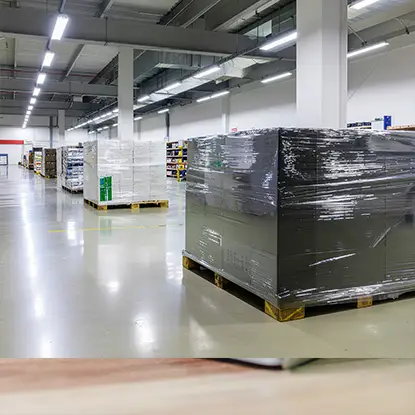
OrderAction eliminates manual order entry and standardizes workflows across locations and channels. Boost productivity and reduce delays in high-volume retail environments.
Customers don’t expect miracles, but they want accuracy. If a delivery date is shown, they assume it means something. When that date passes with no warning, trust takes a hit that’s hard to undo.
Inside the business, fulfilment is rarely simple. Stock moves between warehouses and stores. Inventory updates lag. Demand jumps without notice. When systems don’t line up, the problem only becomes visible once a promise has already been made.
That’s when teams scramble. Support apologises. Stores take the blame. Customers hear explanations that don’t really answer the question they asked.
Better visibility from a system like Salesforce Order Management changes the timing of those conversations. Issues show up earlier. Alternatives can be offered before frustration sets in. Even bad news lands better when it’s shared clearly and early.
Delivery isn’t a background detail anymore. It’s part of the relationship. When fulfilment data is current and shared across teams, fewer promises get broken, and fewer people are left smoothing things over after the fact.
Recommended reading: How Delivery Slips Enhancing Transparency & Accuracy
Most retailers say they’re omnichannel. Fewer actually feel that way when you’re inside the business.
A customer buys online and returns in store, but the store can’t see the order. Support fixed an issue last week, but the associate has no record of it. Marketing sends an offer that ignores what just happened. Together, these mis-steps make the brand feel disorganised.
The mistake is thinking omnichannel is about touchpoints. It’s not. It’s about alignment. If ecommerce, stores, service, and marketing all work from different systems, customers end up doing the connecting for you. They repeat themselves. They carry receipts. They explain the context that should already be there.
When teams share the same view of customers, orders, and inventory, those handoffs get quieter. A store associate can see why someone is frustrated before the conversation starts. Support doesn’t have to guess what happened in store. Marketing stops acting like every interaction exists in isolation.
This is usually where retailers realise that the technology choice matters less than how it’s implemented. Tools only deliver value when they’re properly connected and aligned with real business workflows. That’s where Salesforce implementation services come in. At Routine Automation, we help retailers bring different systems together, designing Salesforce solutions that work as one cohesive platform rather than a collection of disconnected tools.
Create a Smarter Retail Infrastructure with AI
docAlpha applies machine learning and RPA to automate high-volume retail processes across distributed systems. Drive operational scalability while lowering costs and minimizing workflow friction.
Book a demo now
Loyalty programs work wonders for retailers, but only when they’re setup intentionally.
For a lot of retailers, a customer earns status, but the store doesn’t see it. Someone qualifies for a reward, but the offer arrives after the moment has passed. Staff want to acknowledge loyalty, but they can’t see it quickly enough to matter. So the interaction moves on, and the recognition never happens.
That’s how loyalty turns into background noise. Customers know they’re enrolled. They just don’t feel it. Salesforce optimizes things with dynamic loyalty programs that reward customers automatically, smart segmentation, and automated reminders.
It empowers companies to deliver exclusive perks to the right customers, and shows them which buyers have the potential to deliver the most long-term value. That drives real growth over time, because customers feel truly seen.
Recommended reading: How Retailers Optimize Invoice Processing with AI
Most retail teams fall into problems with Salesforce, because they try to bolt it onto the way things already work and hope people adapt.
Before anything gets built, someone needs to slow things down and look at where staff already struggle. A few things tend to matter more than people expect.
Most teams don’t resist new systems because they hate change. They resist when change makes their day harder. When Salesforce is shaped around real work instead of ideal workflows, it has a chance of sticking.

InvoiceAction ensures accurate invoice processing across multi-location and multi-entity retail operations. Enhance transparency, improve compliance, and drive measurable ROI in finance workflows.
Retail relationships aren’t built through big gestures. They’re built through repetition.
Did the last order go smoothly? Did the return get handled without friction? Did anyone have to explain themselves twice? Those are the questions customers ask.
When systems don’t line up, good teams look careless. Staff apologise for things they didn’t cause. Customers lose patience faster than anyone expects.
When information is shared, the tone of those interactions changes. Conversations calm down. Answers come faster. Fewer promises get broken because fewer guesses get made.
Salesforce won’t magically fix retail on its own. What it does do is cut down on the blind spots that make daily work harder than it should be. Orders are easier to follow. Loyalty shows up when it’s supposed to. Support knows what just happened before they answer the call.
Over time, that steadiness matters. Fewer repeat problems, fewer annoyed customers, and a lot less scrambling behind the scenes.
 Top AI Tools to Boost Ecommerce Efficiency in 2025
 Unlock Ecommerce Growth: The Importance of Digital Marketing
 12 Benefits of Sales Order Automation
 Custom Marketing Technology Software: Boost Campaign Performance
 Business Process Automation: Examples, Tips, Technologies
 Automation Strategies for Modern Business Growth
